WW1 Revisited
A Great War Journey with Paul Reed


Small French battlefield cemeteries are rarer than the British ones on the Western Front as most battlefield cemeteries were concentrated into larger burial grounds in the 1920s. This small battlefield cemetery...

When the Great War went static during the winter of 1914/15 and trench warfare began, steel “sniper’s plates” started to be used by both sides to afford protection to their troops...

Newfoundland was the smallest colony in the British Empire to raise it’s own regiment in the Great War, the Newfoundland Regiment. It served at Gallipoli in 1915 and then on the...
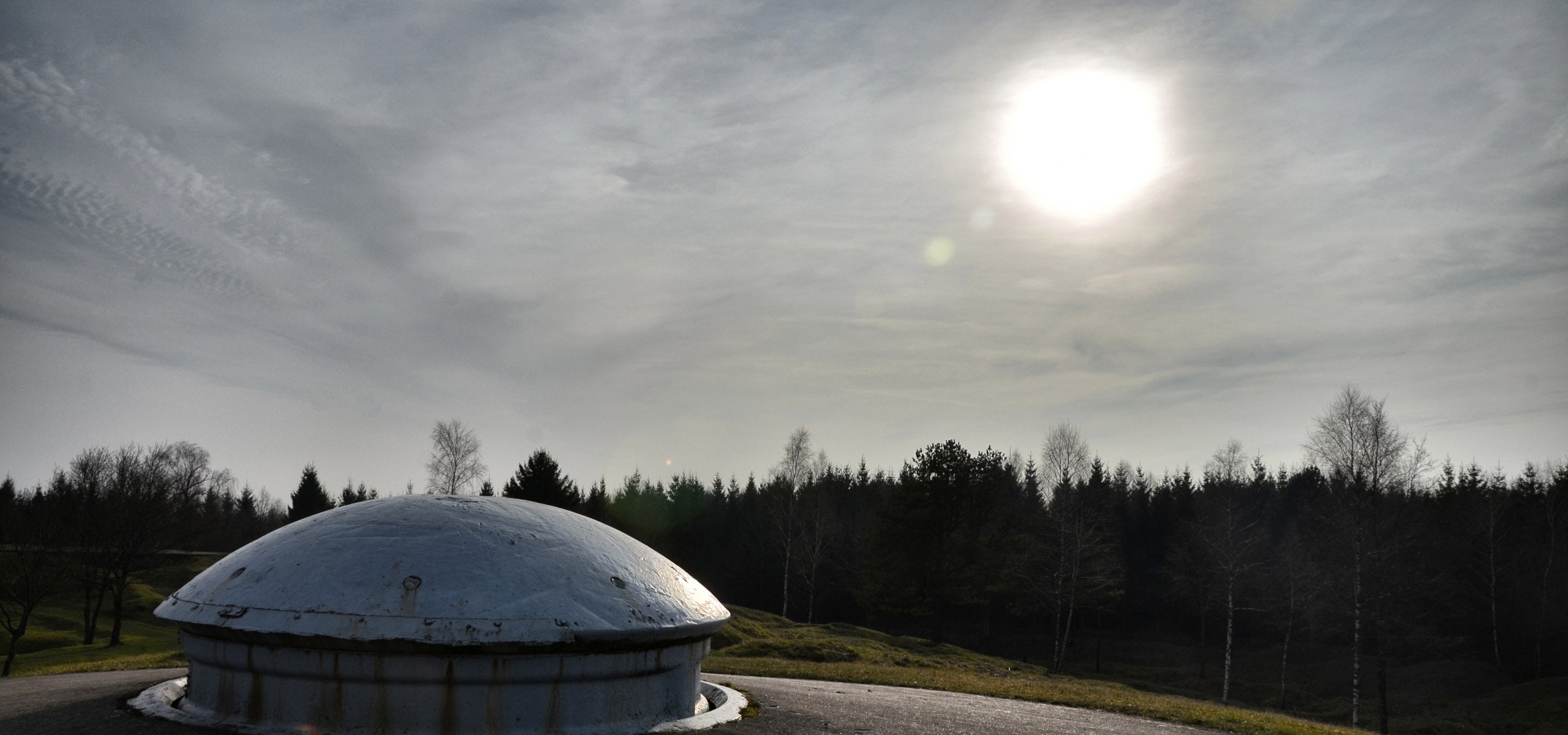
The Ouvrage Froideterre was part of the defences built around Verdun in the late 1880s. It was added to a number of times before WW1 and then re-organised when the war...
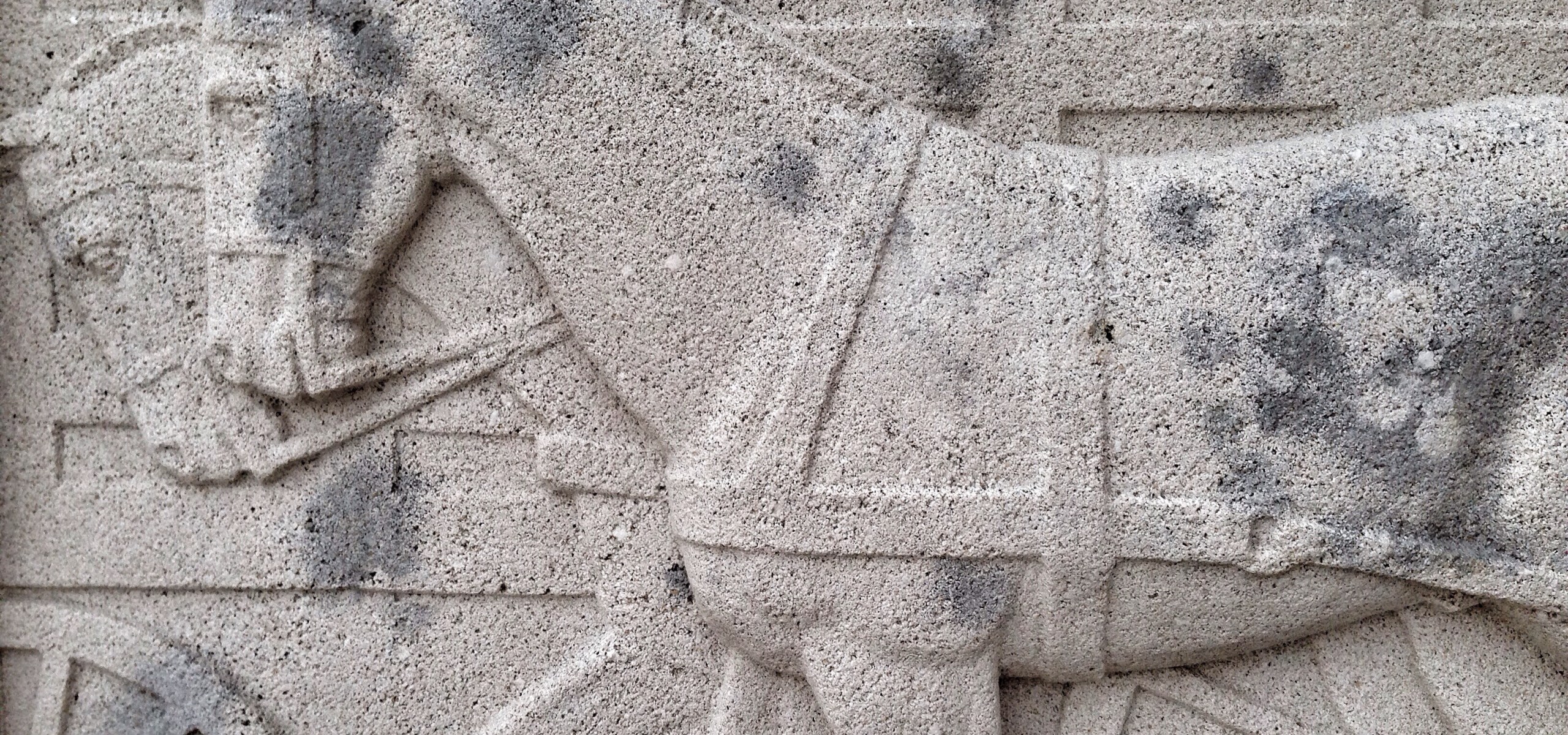
The Voie Sacrée was the main road running from Bar Le Duc to Verdun which in 1916 was used as the mainnroute of supply for the Poilus defending the Verdun Salient....
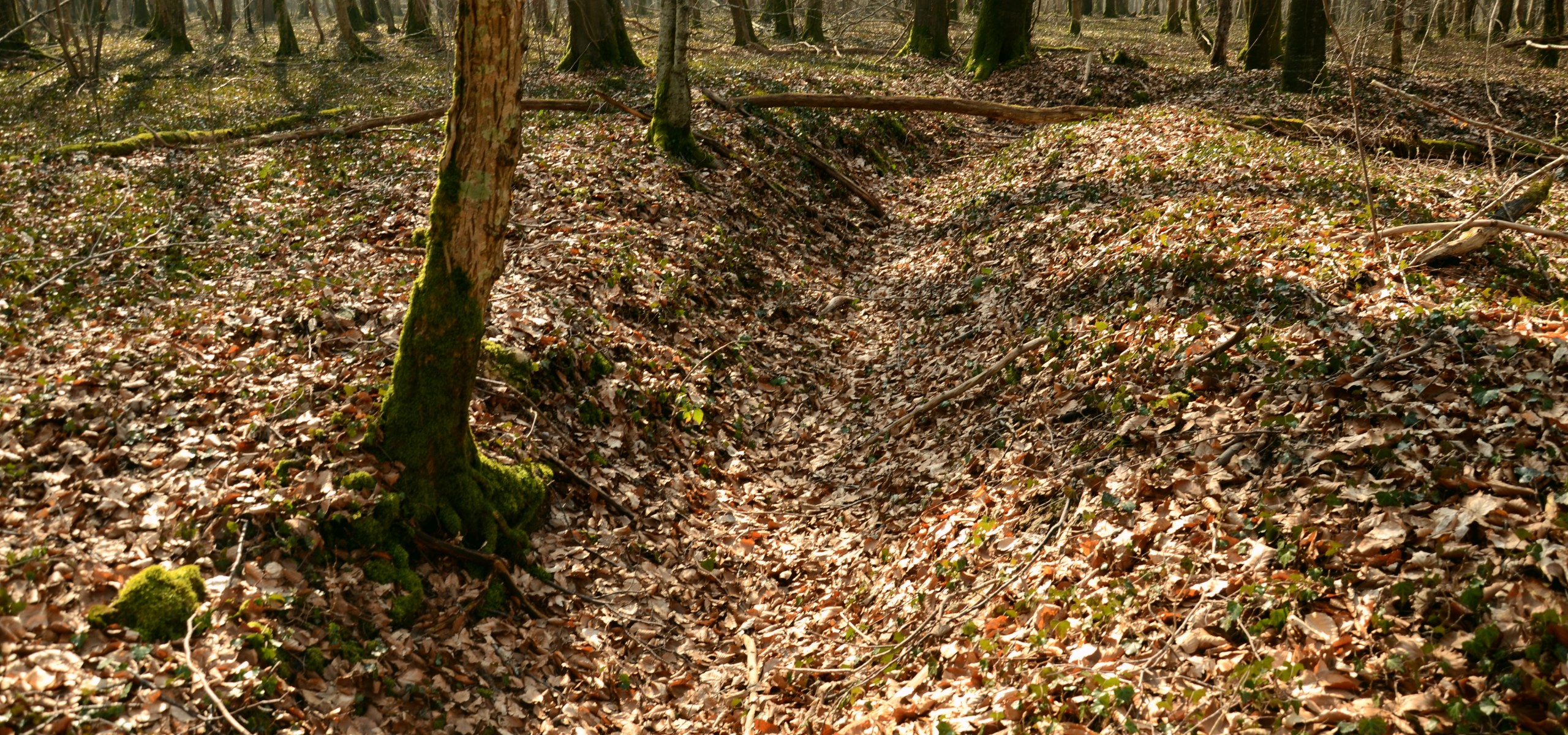
The Tranchée de Calonne, despite it’s name, was not actually a trench: tranchée being the French for trench. Instead it was a long road running for more than 25km through the wooded...
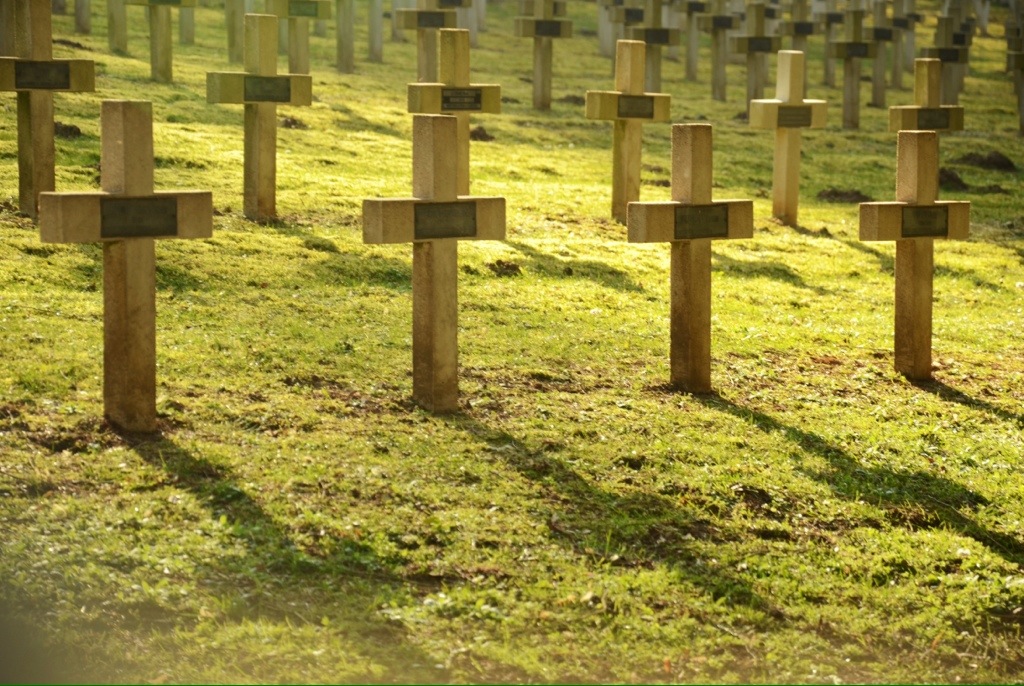
By the close of the Great War the French Army had lost more than 1.4 million dead: their burials are scattered across more than 350 mile of the Western Front occupied...
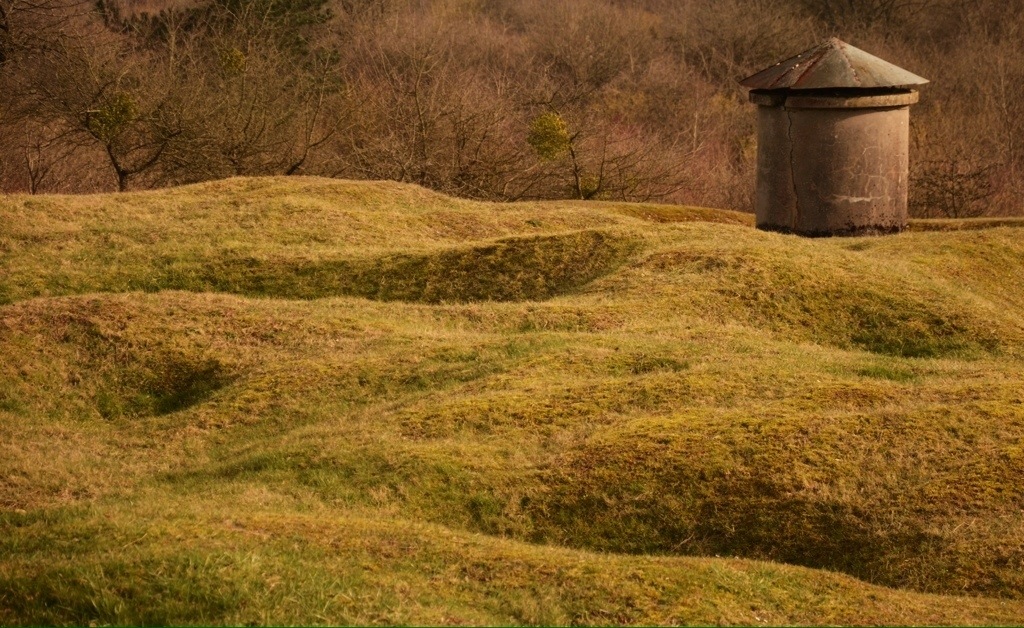
It is said that more than a thousands shells fell in every square metre of the Verdun battlefield in 1916 creating a vast crater zone, which is still visible on the...

This German observation bunker is located on the Sundgau front in Alsace at the far end of the Western Front. It’s sits on rising ground in what was once Germany before...

The area known as Le Linge was actually part of Germany in 1914. French troops entered the mountains not just to take the fight to the Germans but to regain soil...
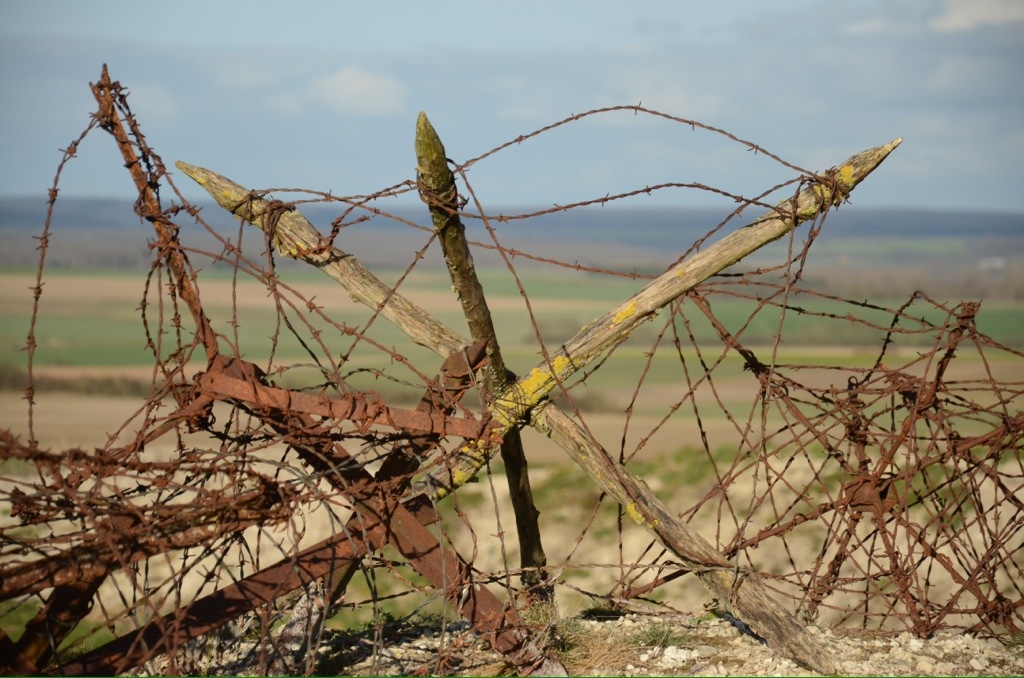
The trenches of the Western Front were protected by barbed wire – The Devil’s Rope – from early on in the war. This section of preserved barbed wire is in front...

This huge memorial, the largest free-standing statue in France, is set in 40 acres of ground. Designed by architect Thomas Hastings, the sculptor was Frederick MacMonnies. It was unveiled in September...
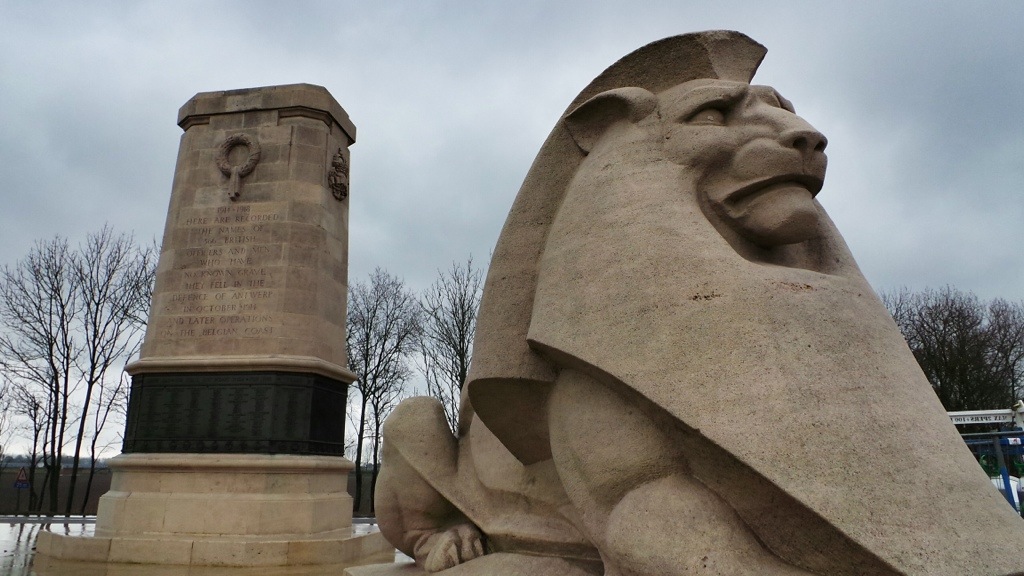
The Nieuport Memorial was unveiled in 1928 and commemorates more than 500 soldiers, and sailors of the Royal Naval Division, who died on the Northern End of the Western Front and...
WW1 Revisited is my third and final website for the First World War Centenary. My others have been WW1 Centenary.net and Great War Photos. With WW1 Revisited you can follow the journey I intend to...
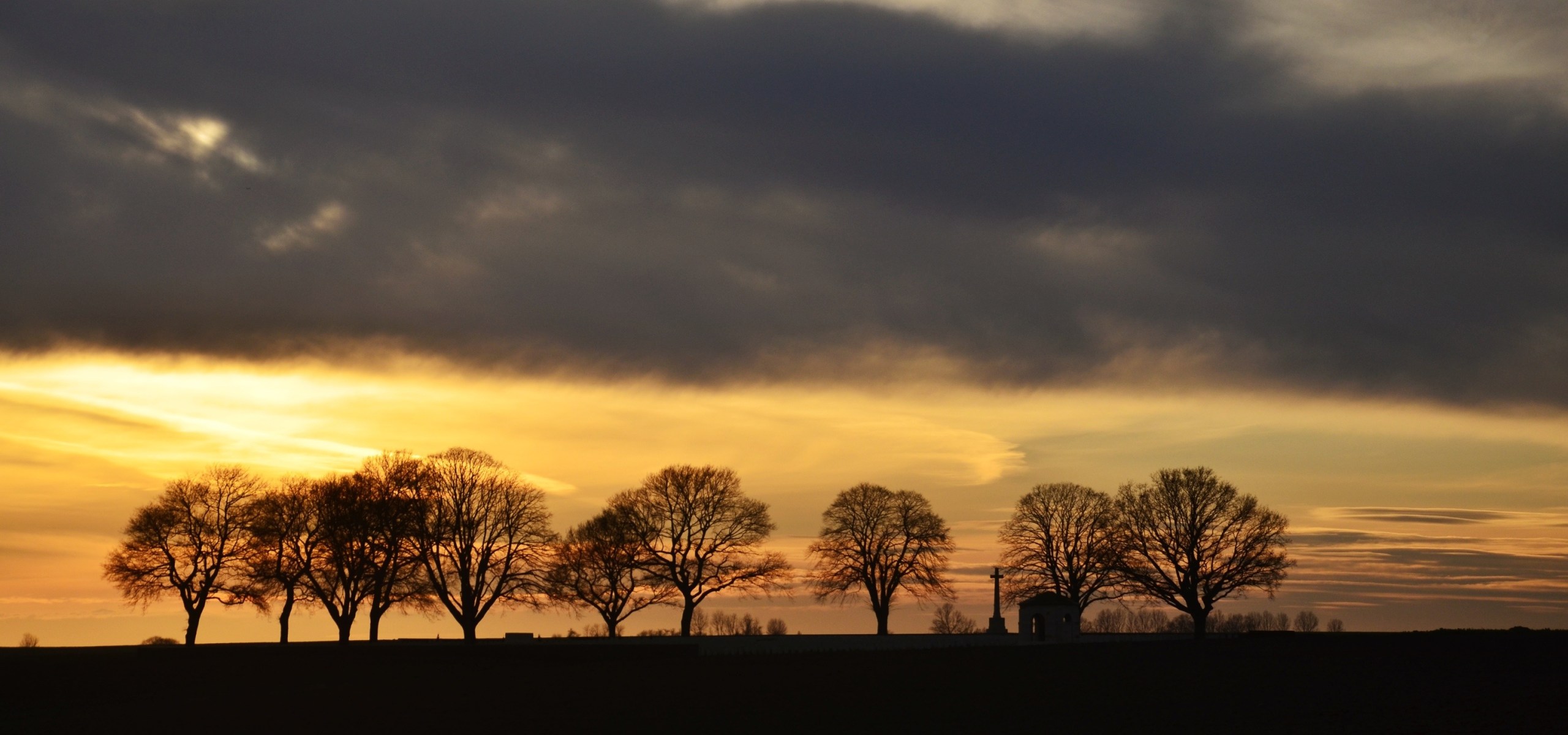
A February sunset over the Somme battlefields looking towards Courcelette British Cemetery where Canadian soldiers fought in September 1916. Taken on a Nikon D7000.
 WW1 Revisited
Comments on WW1 Revisited