WW1 Revisited
A Great War Journey with Paul Reed

Archives
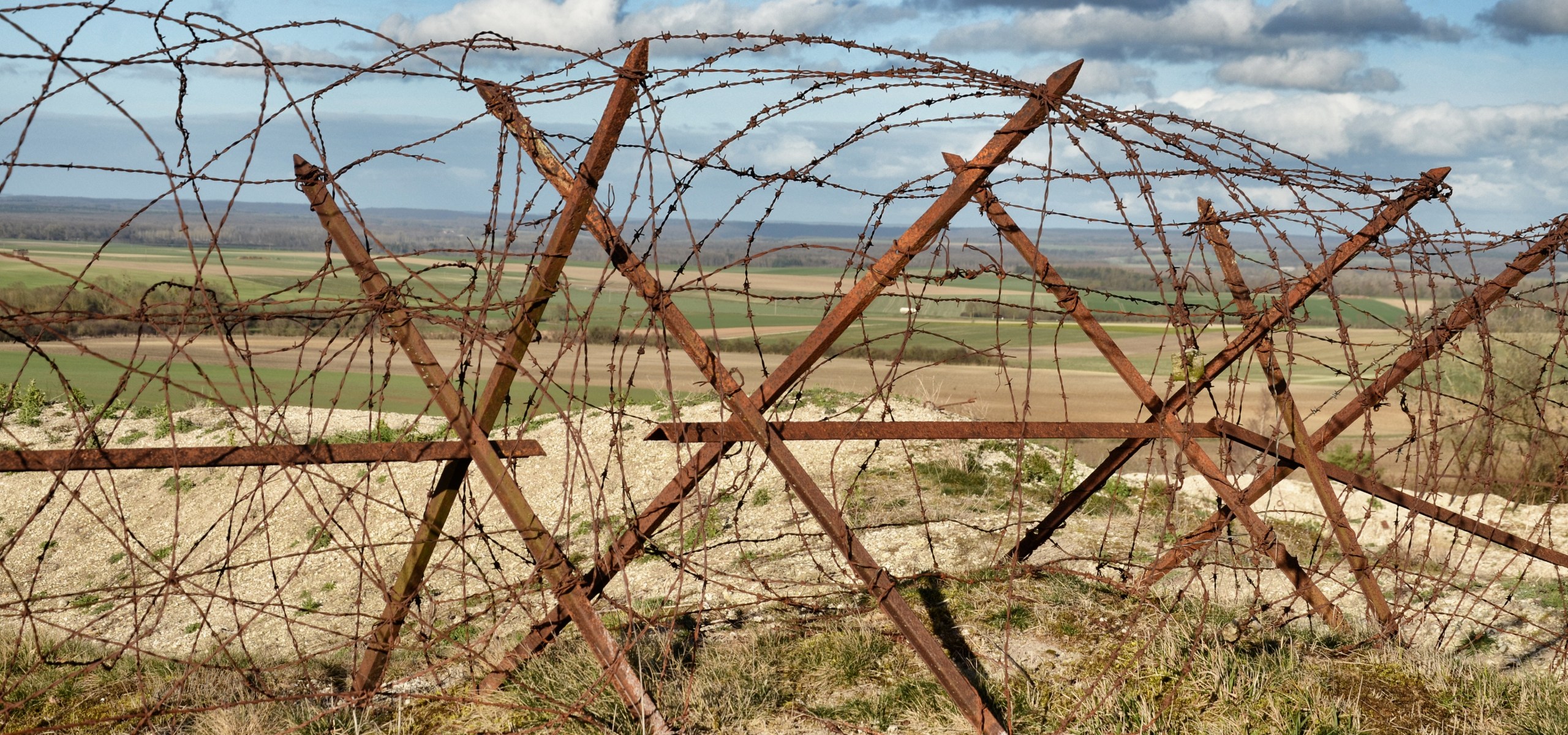
The sight of front-line barbed wire remains a powerful image of the Great War. In the early stage of the war the use of so-called ‘Chevaux de Frise‘ (or knife-rests as they were known by the British) enabled soldiers to prepare barbed wire defences behind the lines and bring them up, putting them in place at night. Being portable they could also be moved. Few survive intact but this section is part of… Read More

The Western Front ran for more 450 miles from the Belgian coast to the Swiss Border. At the Belgian end the trenches petered out in the sand dunes near to the Belgian town of Nieuport. Soldier-author Charles Douie fought in the area with the 1st Battalion Dorsetshire Regiment in 1917 and left this description of the sector: Nieuport was not greatly different from other towns lying in the near vicinity of the… Read More

Small French battlefield cemeteries are rarer than the British ones on the Western Front as most battlefield cemeteries were concentrated into larger burial grounds in the 1920s. This small battlefield cemetery is close to the village of Chavannes les Grands in the Vosges and commemorates men from a French regiment who fought here in August 1914. Buried here are Lieutenant Paul Genairon and his comrades of the 260th Regiment of Infantry. On… Read More

When the Great War went static during the winter of 1914/15 and trench warfare began, steel “sniper’s plates” started to be used by both sides to afford protection to their troops and enable them to fire safely across No Man’s Land. There were many designs of these and some just had a hole to fire through, while others used a ‘key-hole’ system so that the protected area could be sealed up again… Read More

Newfoundland was the smallest colony in the British Empire to raise it’s own regiment in the Great War, the Newfoundland Regiment. It served at Gallipoli in 1915 and then on the Western Front from 1916 onwards. It’s memorials take the form of a bronze Caribou, a native animal of Newfoundland, which overlooks the site of the action it commemorates. There are five such memorials located on the Western Front and this Caribou… Read More
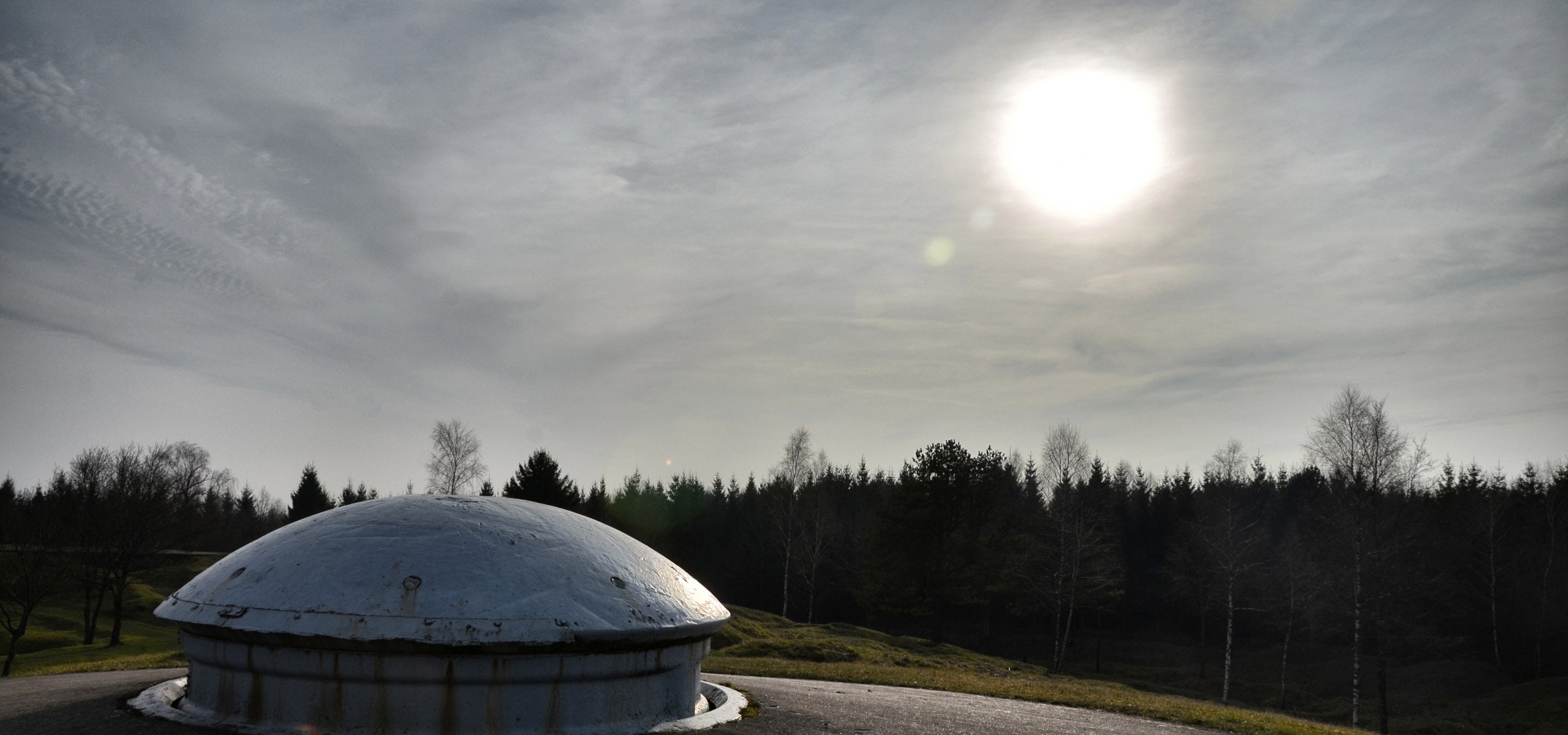
The Ouvrage Froideterre was part of the defences built around Verdun in the late 1880s. It was added to a number of times before WW1 and then re-organised when the war started in 1914. The position was defended by two twin machine-gun bunkers and a 75mm turret (seen above) along with a 75mm Bourges casemate. The position saw heavy fighting in 1916 and the ground around it smashed to pieces by shell-fire…. Read More
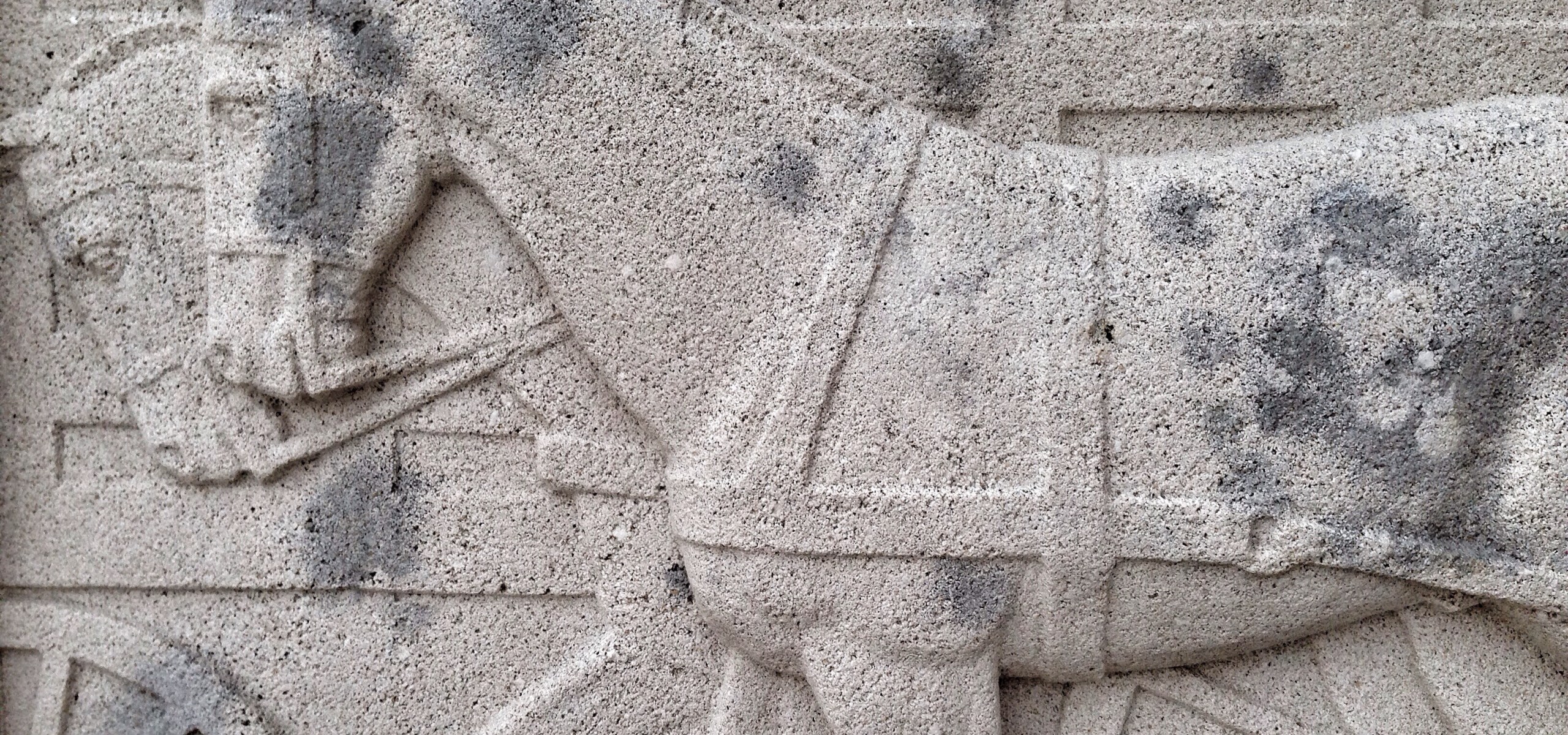
The Voie Sacrée was the main road running from Bar Le Duc to Verdun which in 1916 was used as the mainnroute of supply for the Poilus defending the Verdun Salient. The memorial at the Verdun end has recently been renovated and part of it consists of a series of images showing the transport used on the road in 1916; including these French War Horses. The French Army had thousands of horses… Read More
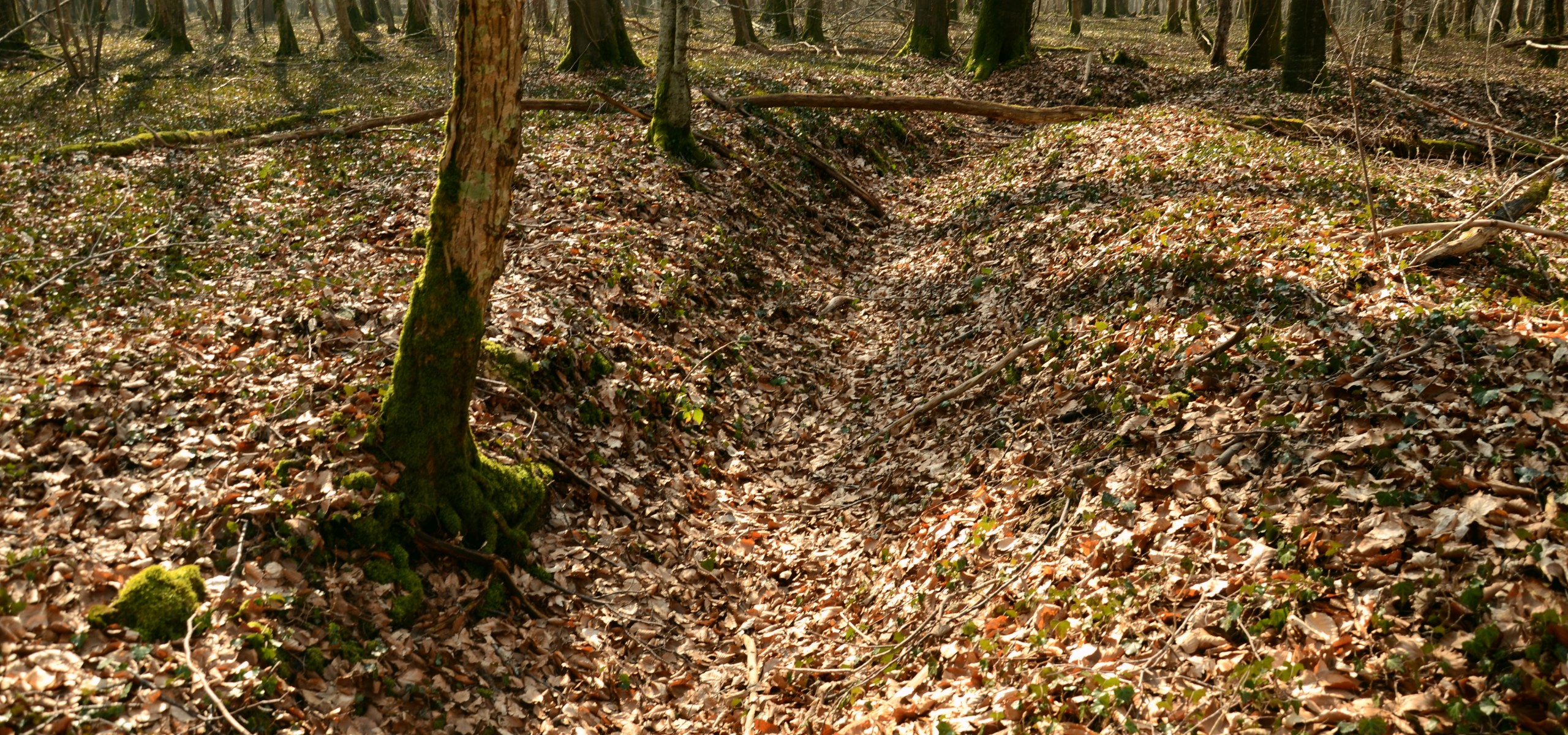
The Tranchée de Calonne, despite it’s name, was not actually a trench: tranchée being the French for trench. Instead it was a long road running for more than 25km through the wooded area south-east of Verdun into what became known as the Saint Mihiel Salient. The area saw heavy fighting from September 1914 and some of the earliest trenches used by the French Army were dug among the trees here. French writer Alain… Read More
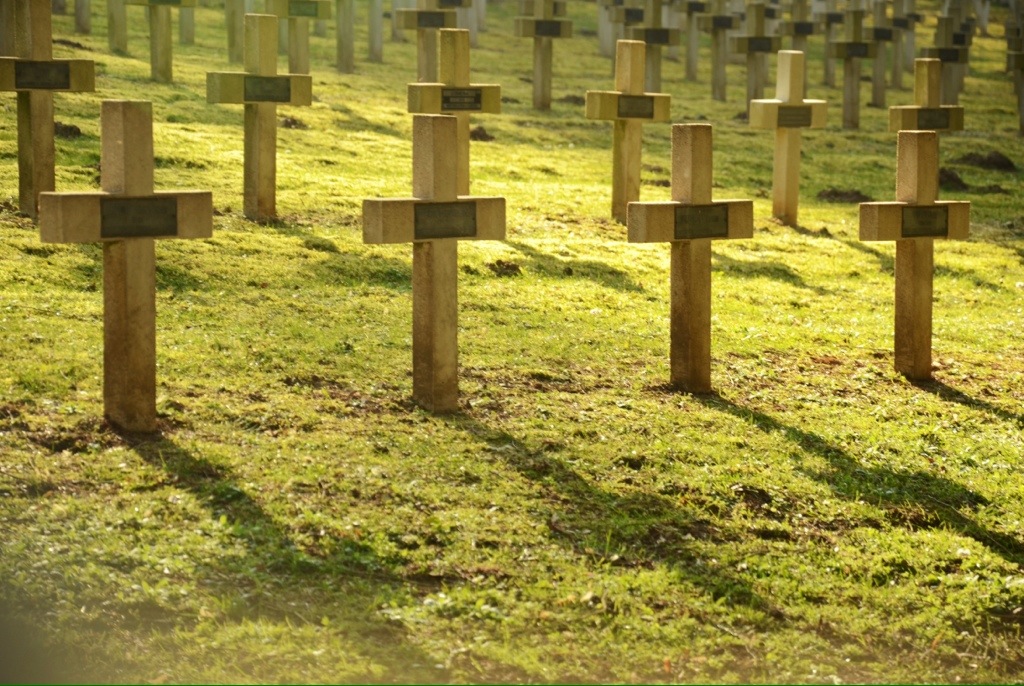
By the close of the Great War the French Army had lost more than 1.4 million dead: their burials are scattered across more than 350 mile of the Western Front occupied by French forces. In the Department of the Aisne the cemeteries are very evident between Soissons and Reims, and this one at Braine, taken in early evening light on a bright March day, commemorates the dead from operations on the Aisne… Read More
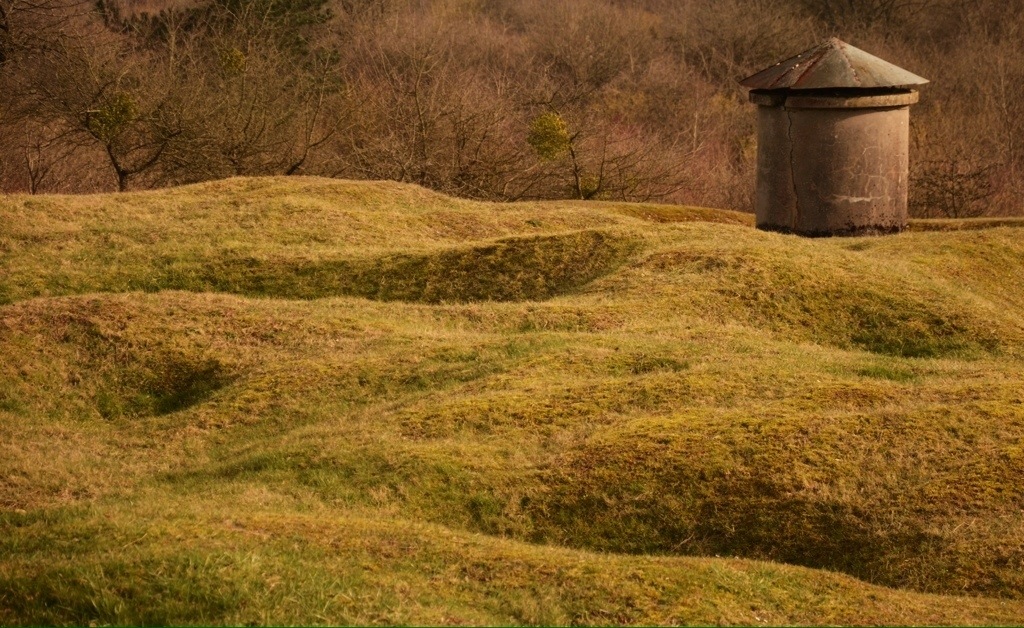
It is said that more than a thousands shells fell in every square metre of the Verdun battlefield in 1916 creating a vast crater zone, which is still visible on the battlefield nearly a century later. By the close of the fighting this battlefield had claimed more than 770,000 French and German casualties, and the French Poilus had called it ‘The Mincing Machine’. On this part of the battlefield at Abris 320… Read More

The Tranchée des Bavarois, or Bavarian Trench, was part of a German system of trenches in the St Mihiel Salient, south of Verdun. The positions here were strengthened from 1915 onwards and a large number of concrete structures put in place, from concrete lined firing positions in the trenches to infantry shelters and mortar and machine-gun posts. This bunker was made by a Bavarian Pioneer company in 1915/16 and sheltered men from… Read More

This German observation bunker is located on the Sundgau front in Alsace at the far end of the Western Front. It’s sits on rising ground in what was once Germany before 1914 and overlooks the site of the former French positions which ended here on the Swiss border close to the village of Pfetterhouse. This area saw fighting in the early period of the war and then settled down to static trench… Read More

The area known as Le Linge was actually part of Germany in 1914. French troops entered the mountains not just to take the fight to the Germans but to regain soil that they believed was French. During the heavy fighting in these rock-cut trenches in early 1915 there was more than 17,000 fatal casualties; a staggering toll. This part of the Western Front is very different to others and in some ways… Read More
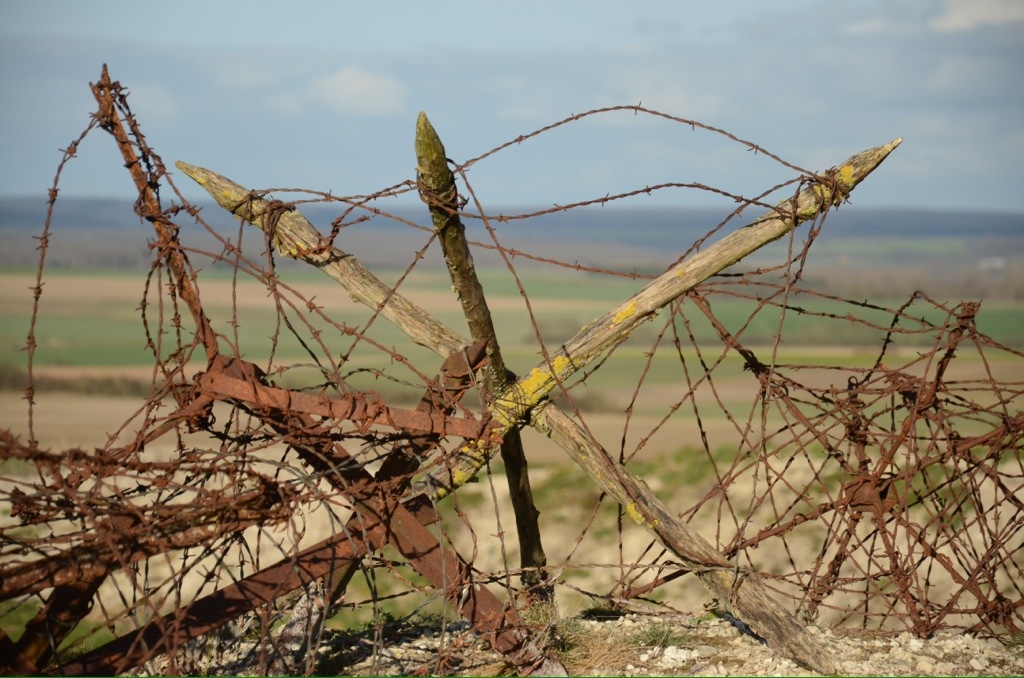
The trenches of the Western Front were protected by barbed wire – The Devil’s Rope – from early on in the war. This section of preserved barbed wire is in front of a French trench on the Champagne battlefields where heavy fighting took place in September 1915. Taken on a Nikon D7000 at the end of a bright spring day.
WW1 Revisited is my third and final website for the First World War Centenary. My others have been WW1 Centenary.net and Great War Photos. With WW1 Revisited you can follow the journey I intend to take over the next four years revisiting the battlefields of the First World War across Europe and beyond, photographing what remains of the Great War battlegrounds a century after the fighting. I will be photographing these battlefields with everything from an… Read More
 WW1 Revisited
Comments on WW1 Revisited