WW1 Revisited
A Great War Journey with Paul Reed

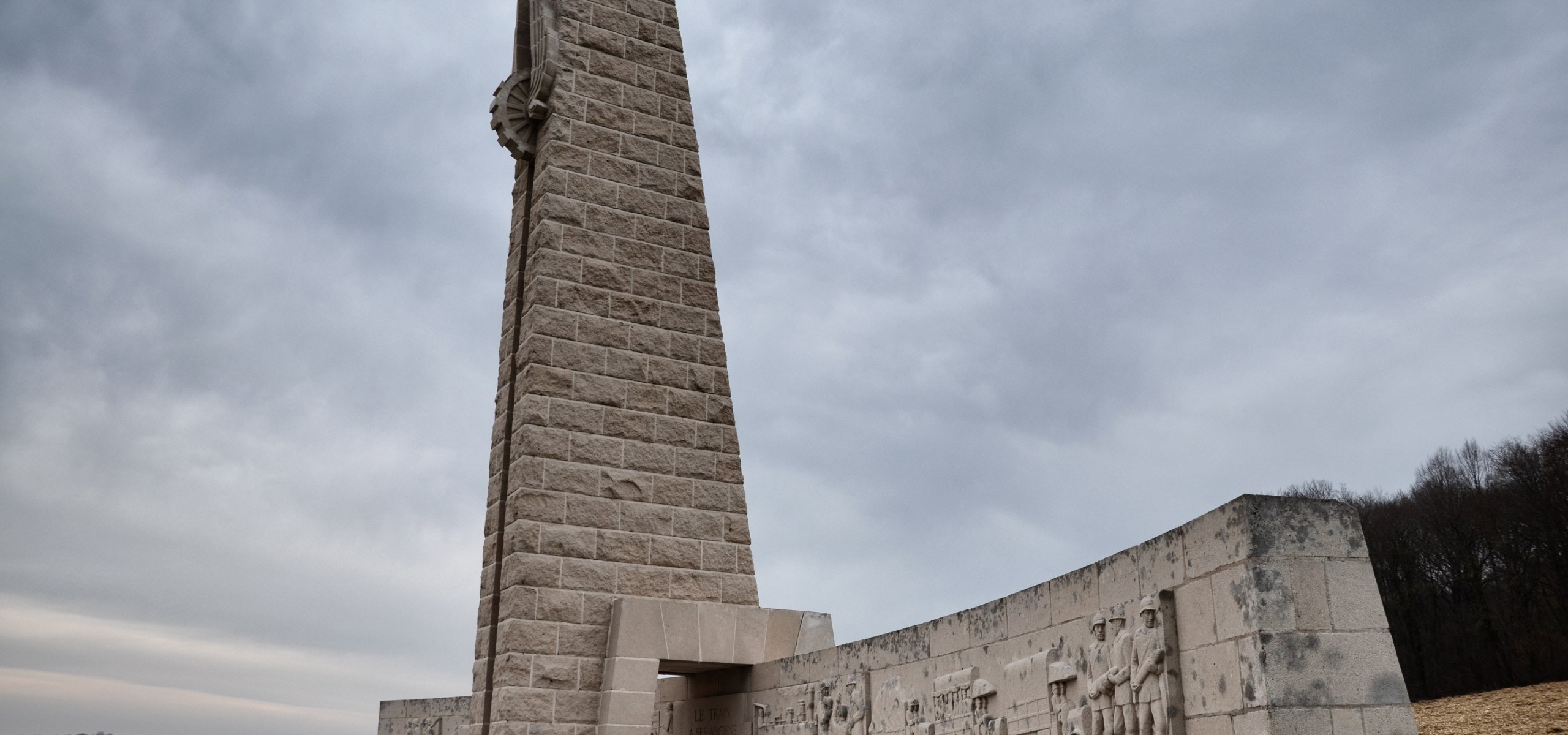
The Voie Sacrée, or the ‘Sacred Way’, was a road running from Bar le Duc, a major railhead behind the front, and the forward battle zone at Verdun. In 1916 it was realised...
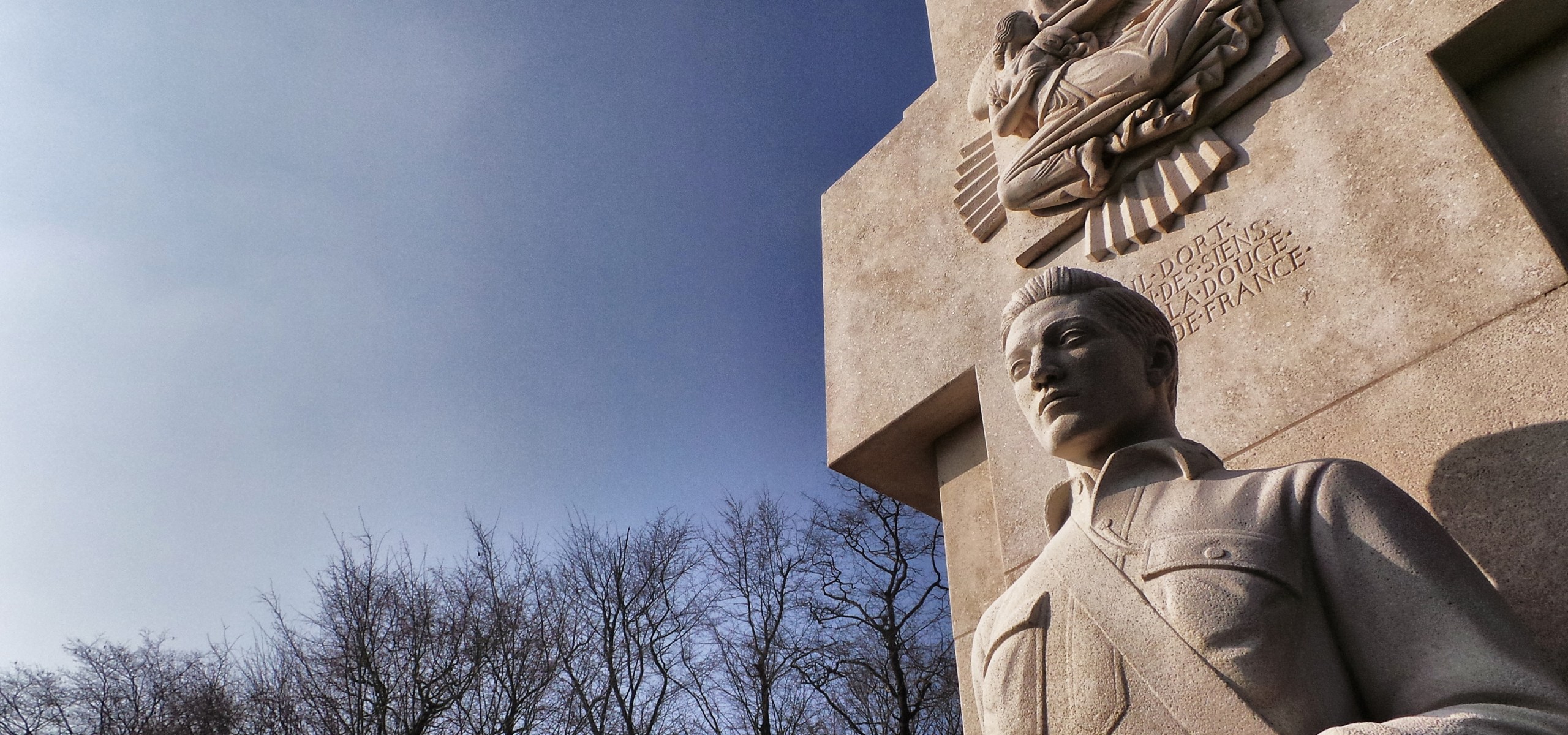
Located within the St Mihiel American Cemetery is an imposing stone statue of an American ‘Doughboy‘ – in fact an American officer dressed in the uniform worn by US troops here in...
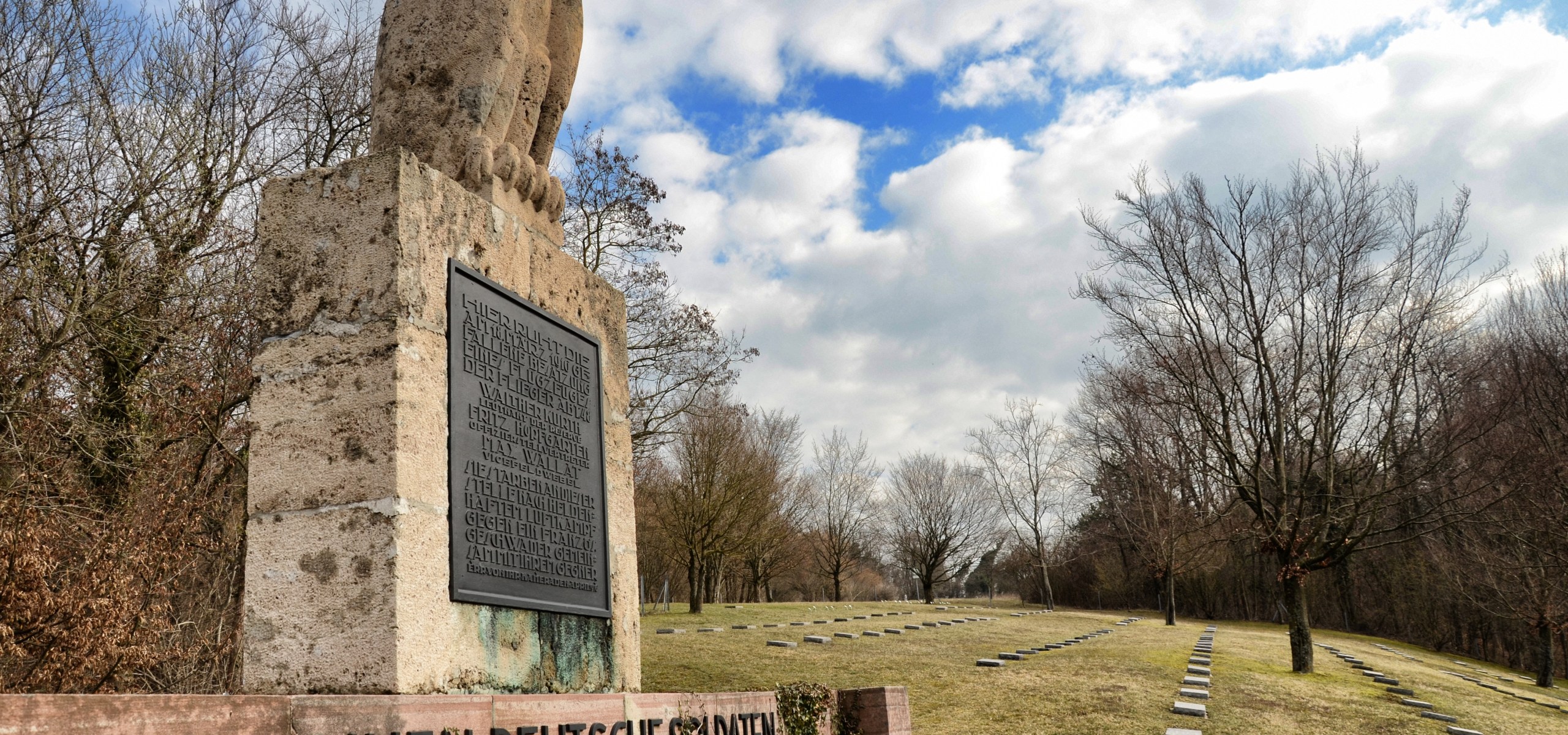
There are a large number of German First World War cemeteries in the Vosges area of the Western Front, many of them containing original features or even contemporary headstones. The cemetery...
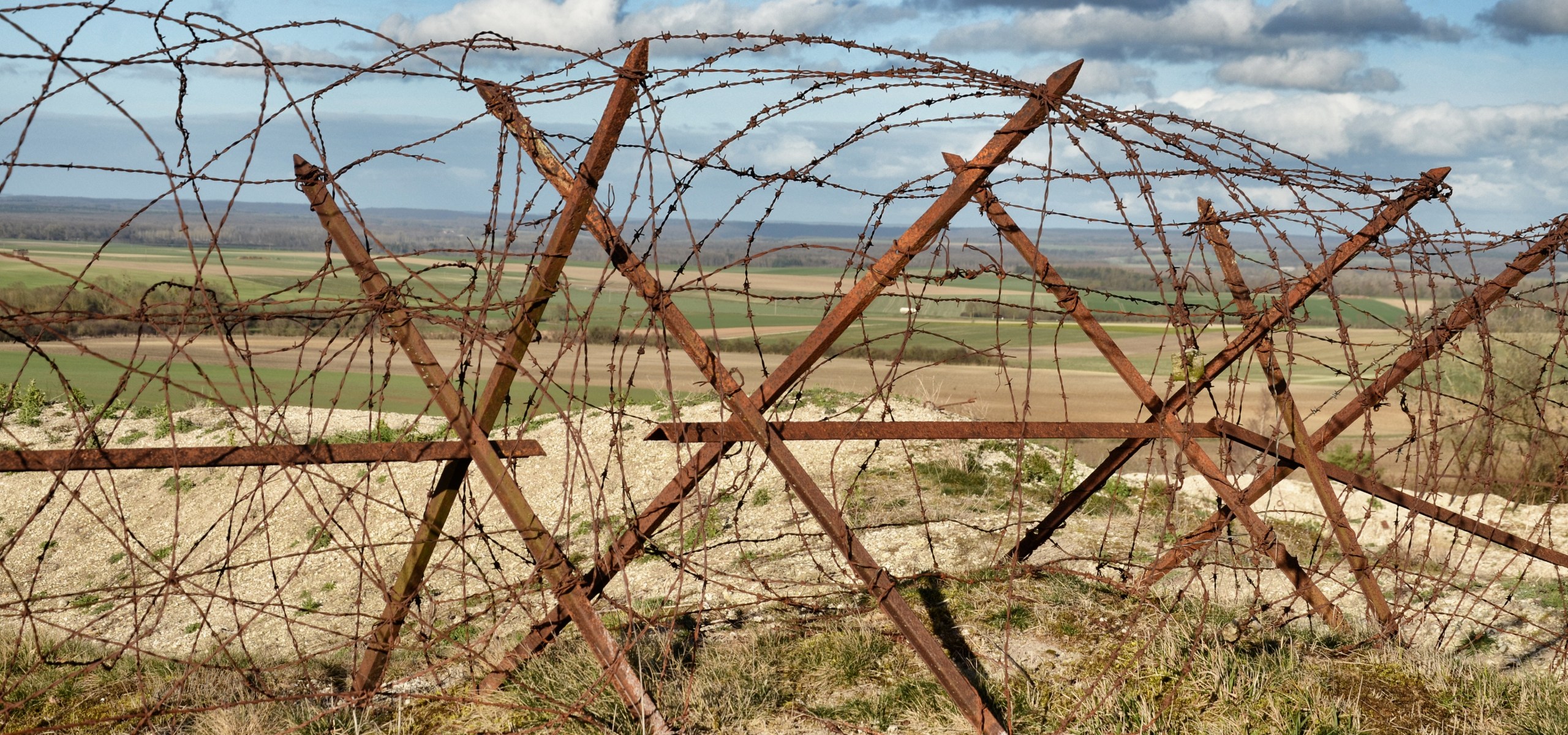
The sight of front-line barbed wire remains a powerful image of the Great War. In the early stage of the war the use of so-called ‘Chevaux de Frise‘ (or knife-rests as they...

The Western Front ran for more 450 miles from the Belgian coast to the Swiss Border. At the Belgian end the trenches petered out in the sand dunes near to the...

Small French battlefield cemeteries are rarer than the British ones on the Western Front as most battlefield cemeteries were concentrated into larger burial grounds in the 1920s. This small battlefield cemetery...

When the Great War went static during the winter of 1914/15 and trench warfare began, steel “sniper’s plates” started to be used by both sides to afford protection to their troops...

Newfoundland was the smallest colony in the British Empire to raise it’s own regiment in the Great War, the Newfoundland Regiment. It served at Gallipoli in 1915 and then on the...
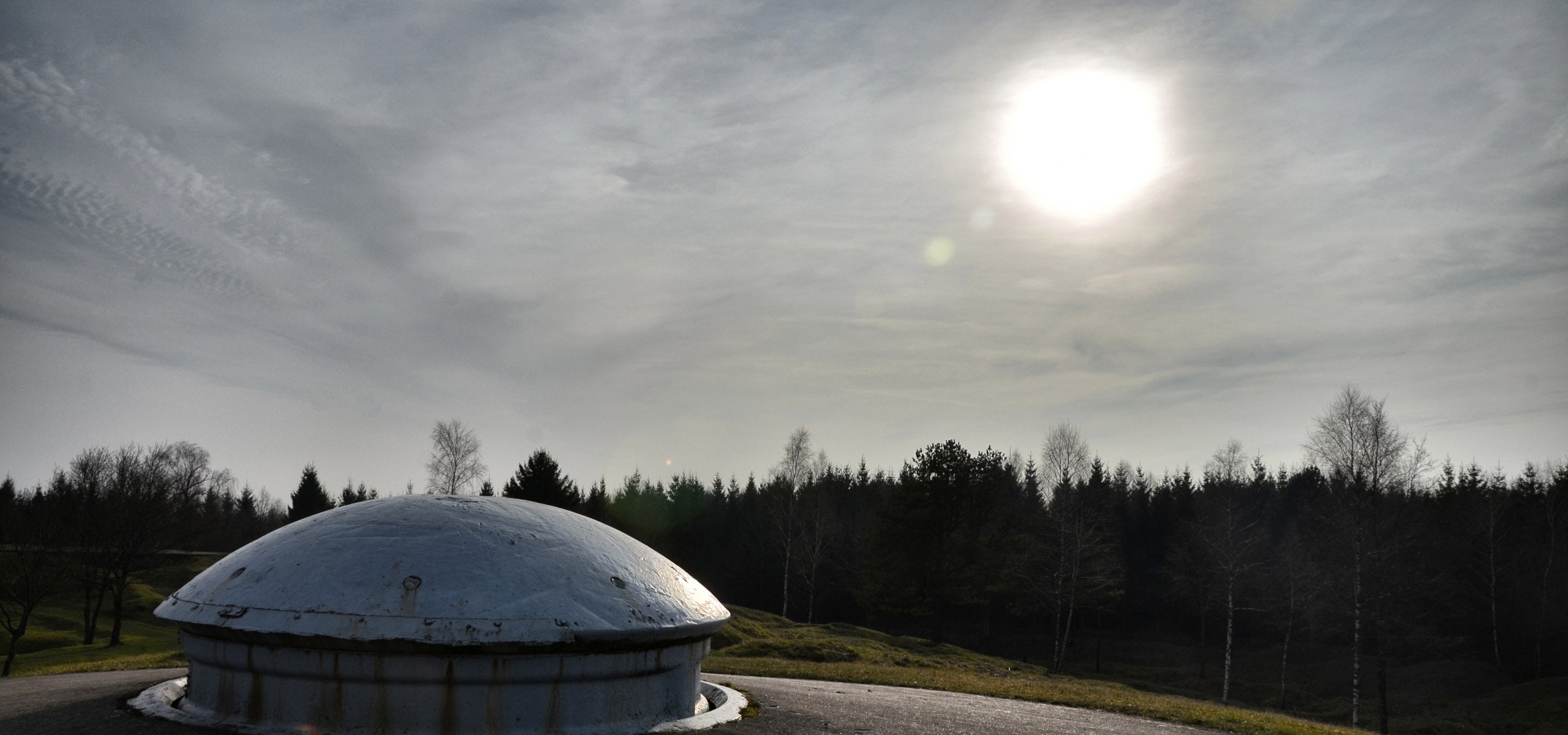
The Ouvrage Froideterre was part of the defences built around Verdun in the late 1880s. It was added to a number of times before WW1 and then re-organised when the war...
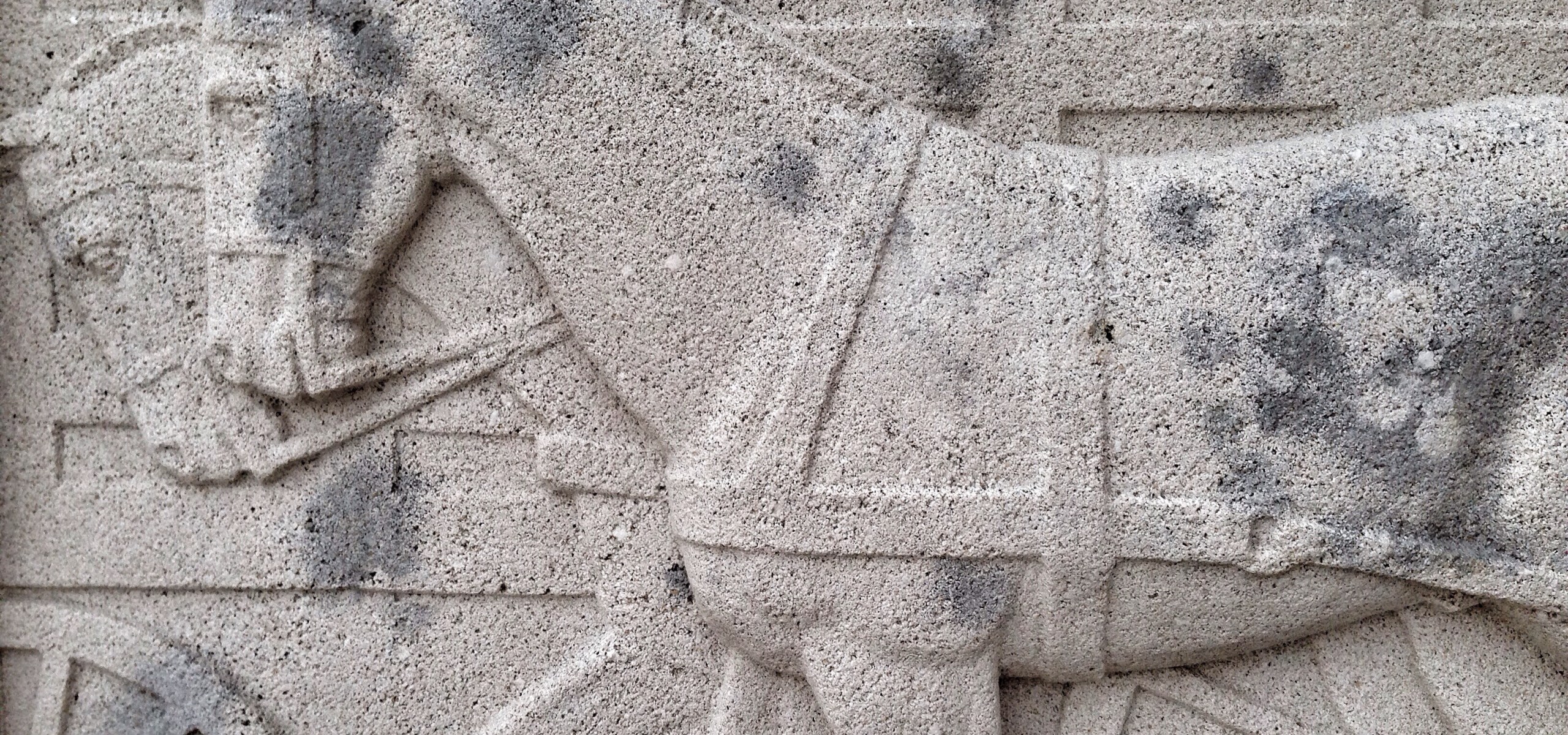
The Voie Sacrée was the main road running from Bar Le Duc to Verdun which in 1916 was used as the mainnroute of supply for the Poilus defending the Verdun Salient....
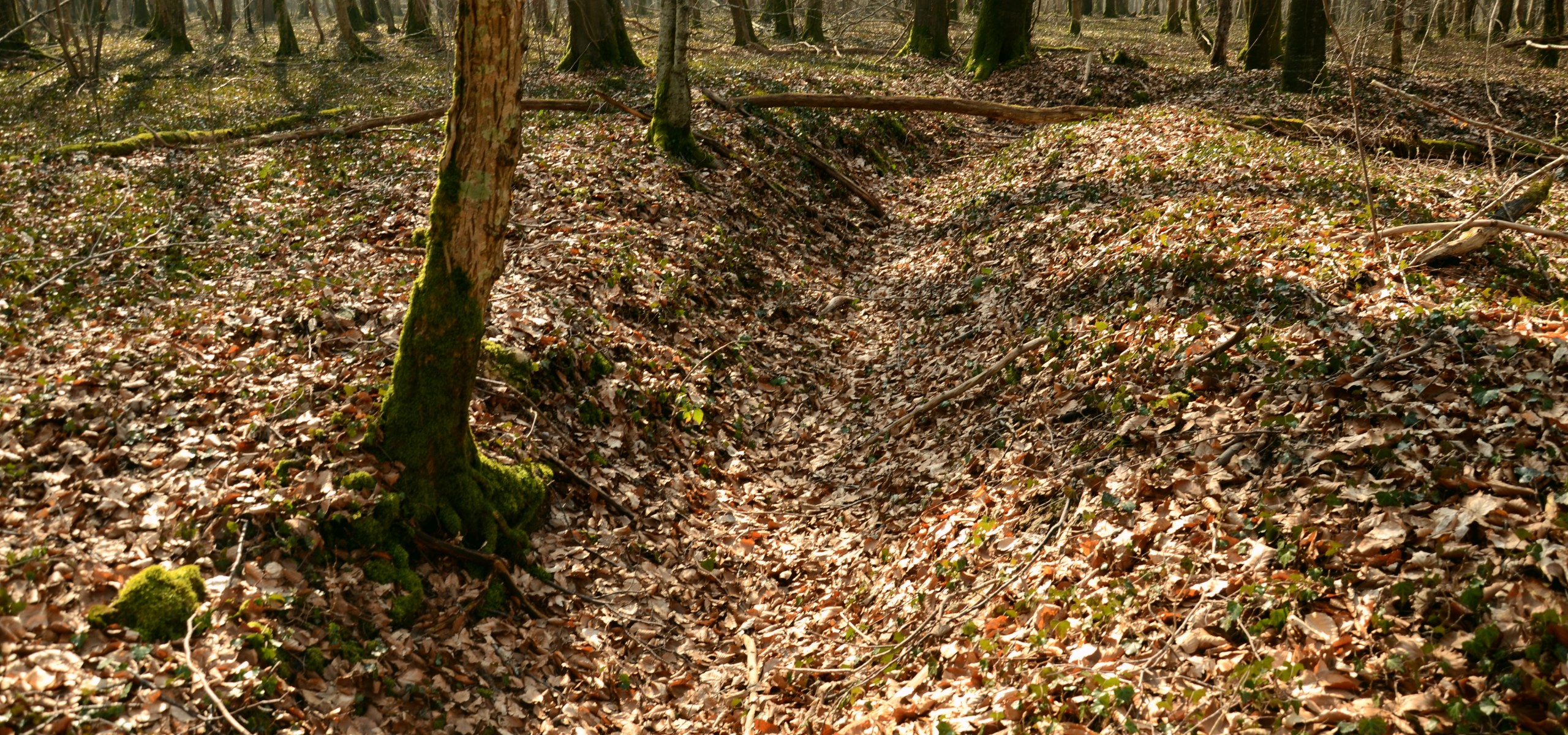
The Tranchée de Calonne, despite it’s name, was not actually a trench: tranchée being the French for trench. Instead it was a long road running for more than 25km through the wooded...
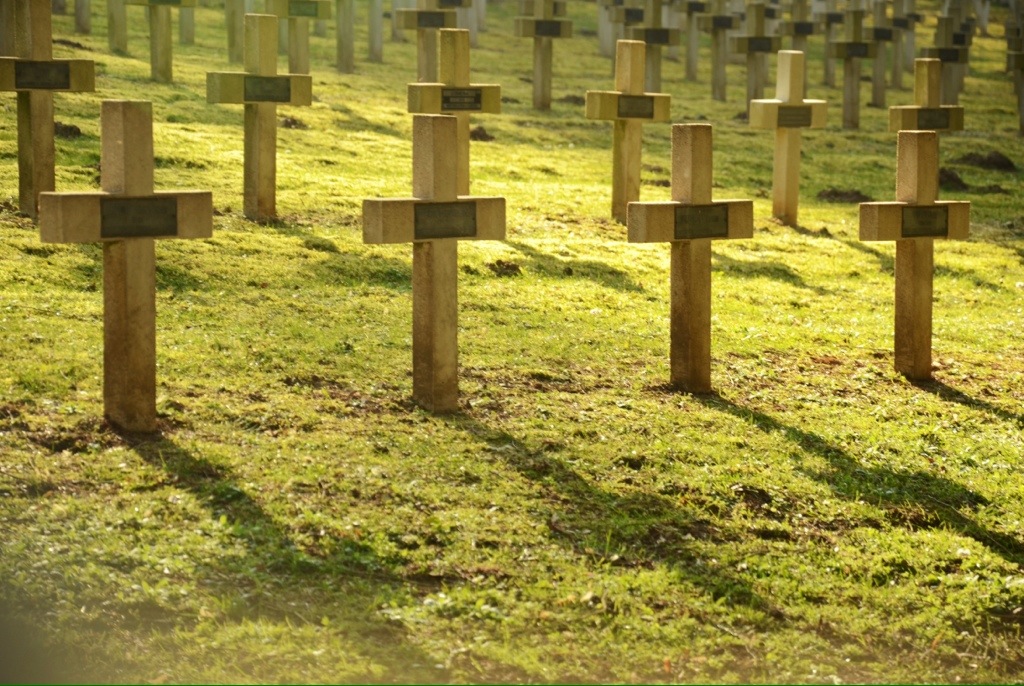
By the close of the Great War the French Army had lost more than 1.4 million dead: their burials are scattered across more than 350 mile of the Western Front occupied...
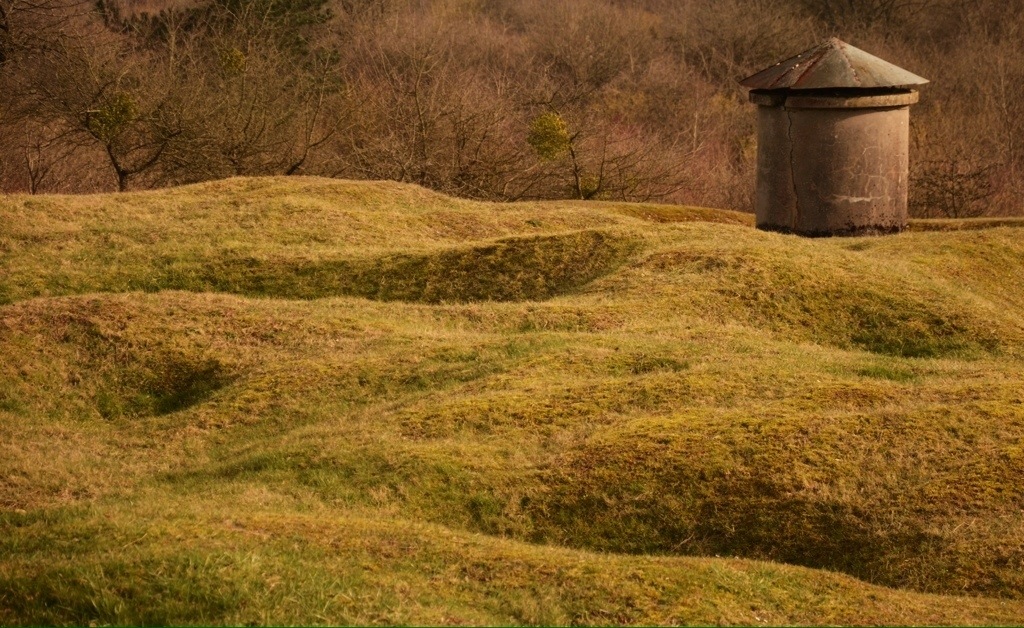
It is said that more than a thousands shells fell in every square metre of the Verdun battlefield in 1916 creating a vast crater zone, which is still visible on the...

The Tranchée des Bavarois, or Bavarian Trench, was part of a German system of trenches in the St Mihiel Salient, south of Verdun. The positions here were strengthened from 1915 onwards...

This German observation bunker is located on the Sundgau front in Alsace at the far end of the Western Front. It’s sits on rising ground in what was once Germany before...
 WW1 Revisited
Comments on WW1 Revisited