WW1 Revisited
A Great War Journey with Paul Reed

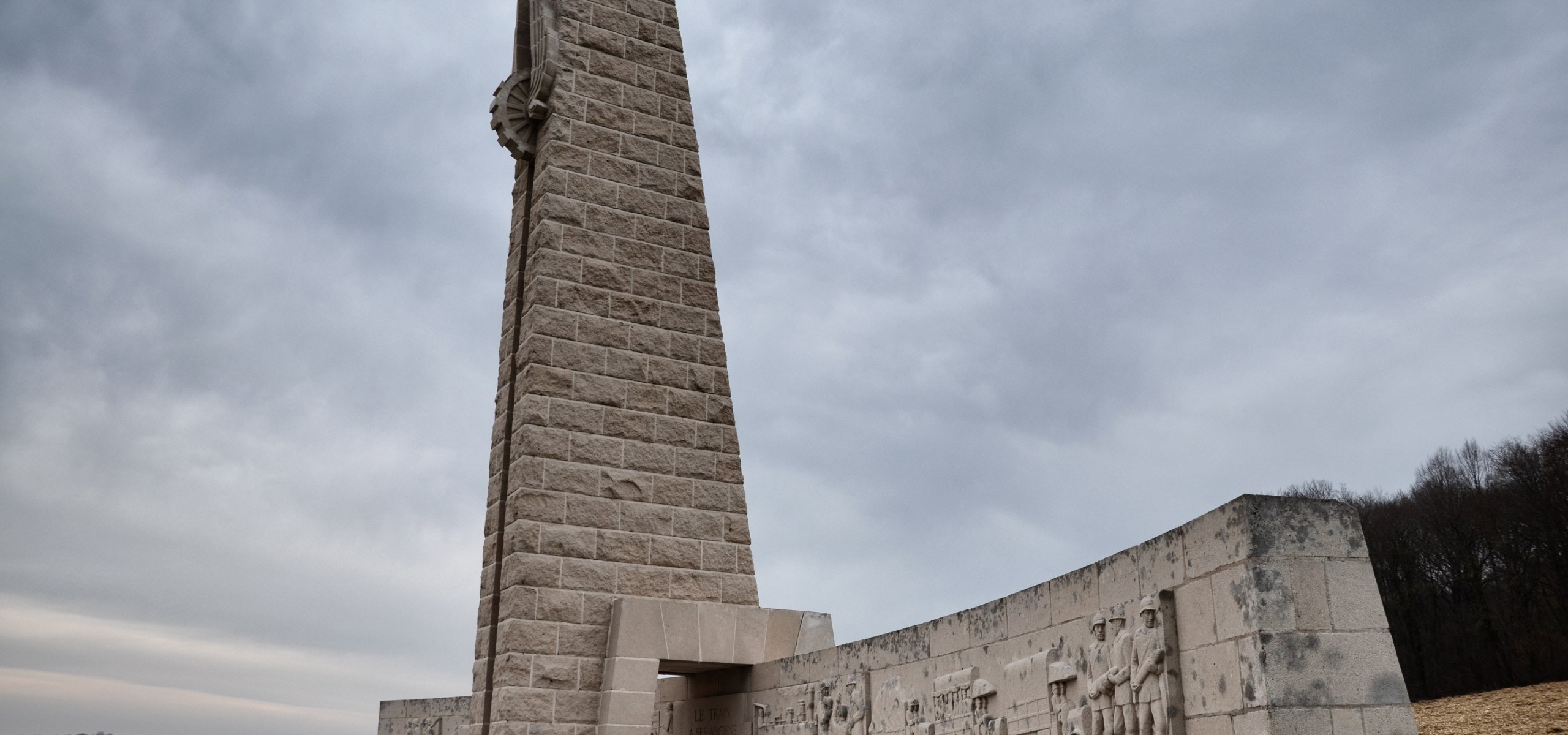
The Voie Sacrée, or the ‘Sacred Way’, was a road running from Bar le Duc, a major railhead behind the front, and the forward battle zone at Verdun. In 1916 it was realised that the defence of Verdun by the French Army rested on its ability to resupply the front with men, ammunition, food and equipment. The road ran for 72km and operated night and day with thousands of men and vehicles moving up and down.
The memorial dates from as late as 1967 although much earlier a marker stone had been placed every kilometre along the full length of the road from Bar le Duc to Verdun. The site has recently been renovated for the WW1 Centenary with a new parking area and information panels.

Voie Sacree 1916 (Memoirs pour Demain)
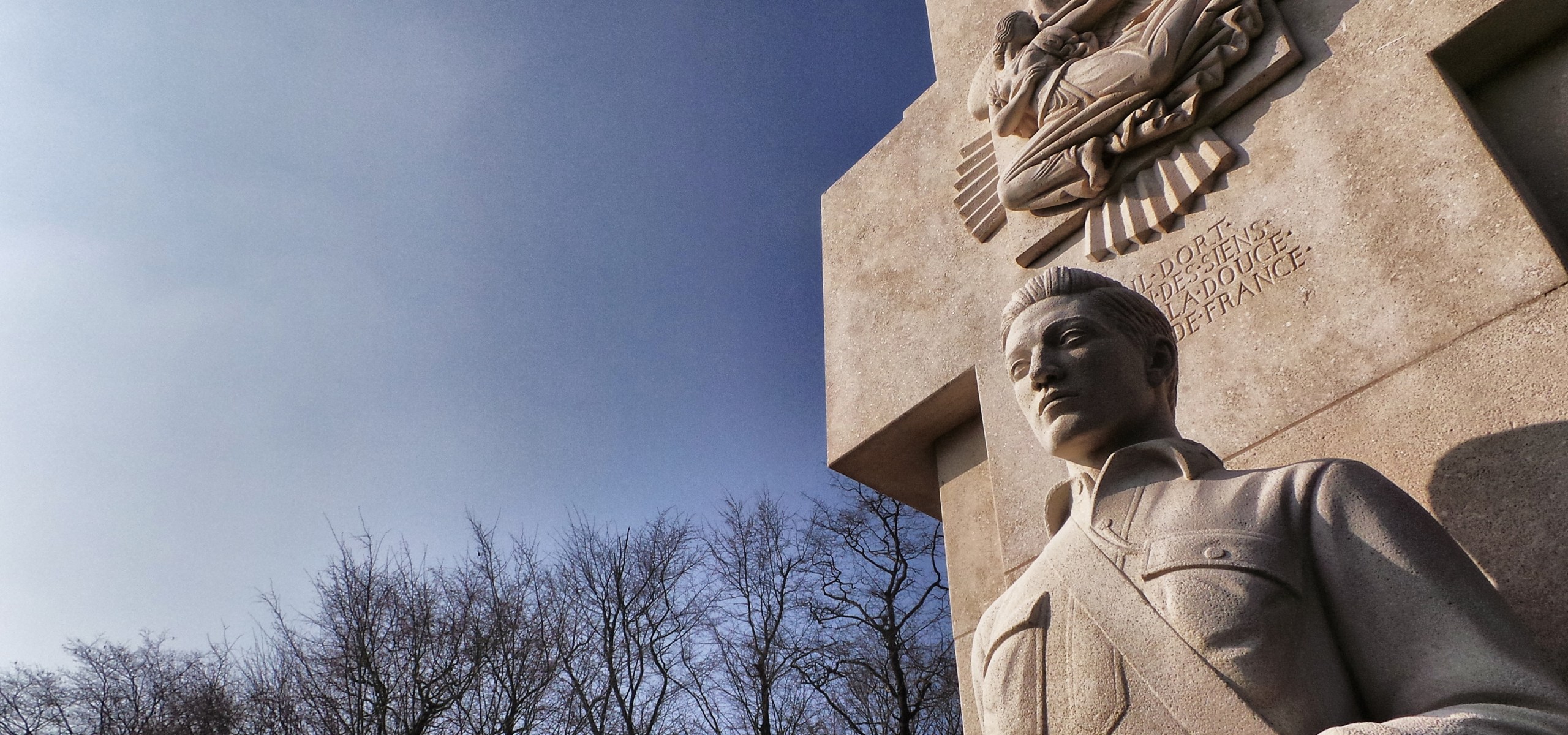
Located within the St Mihiel American Cemetery is an imposing stone statue of an American ‘Doughboy‘ – in fact an American officer dressed in the uniform worn by US troops here in 1918. The text on the memorial reads:
Blessed are they that have the home longing for they shall go home.
The memorial was placed in the cemetery by Harriet Beale, whose son Walker Beale is interred here. 1st Lieutenant Walker Blaine Beale served with the 310th Infantry Regiment of the 78th Division as an officer in I Company. Born in 1896 in Maine, he came from a wealthy family and was educated at Harvard. Commissioned in the infantry, he was mortally wounded by shell fire in the fighting near Thiaucourt. The memorial is in his likeness. A second inscription in latin reads:
He sleeps far from his family in the gentle land of France.

Doughboy Memorial, St Mihiel
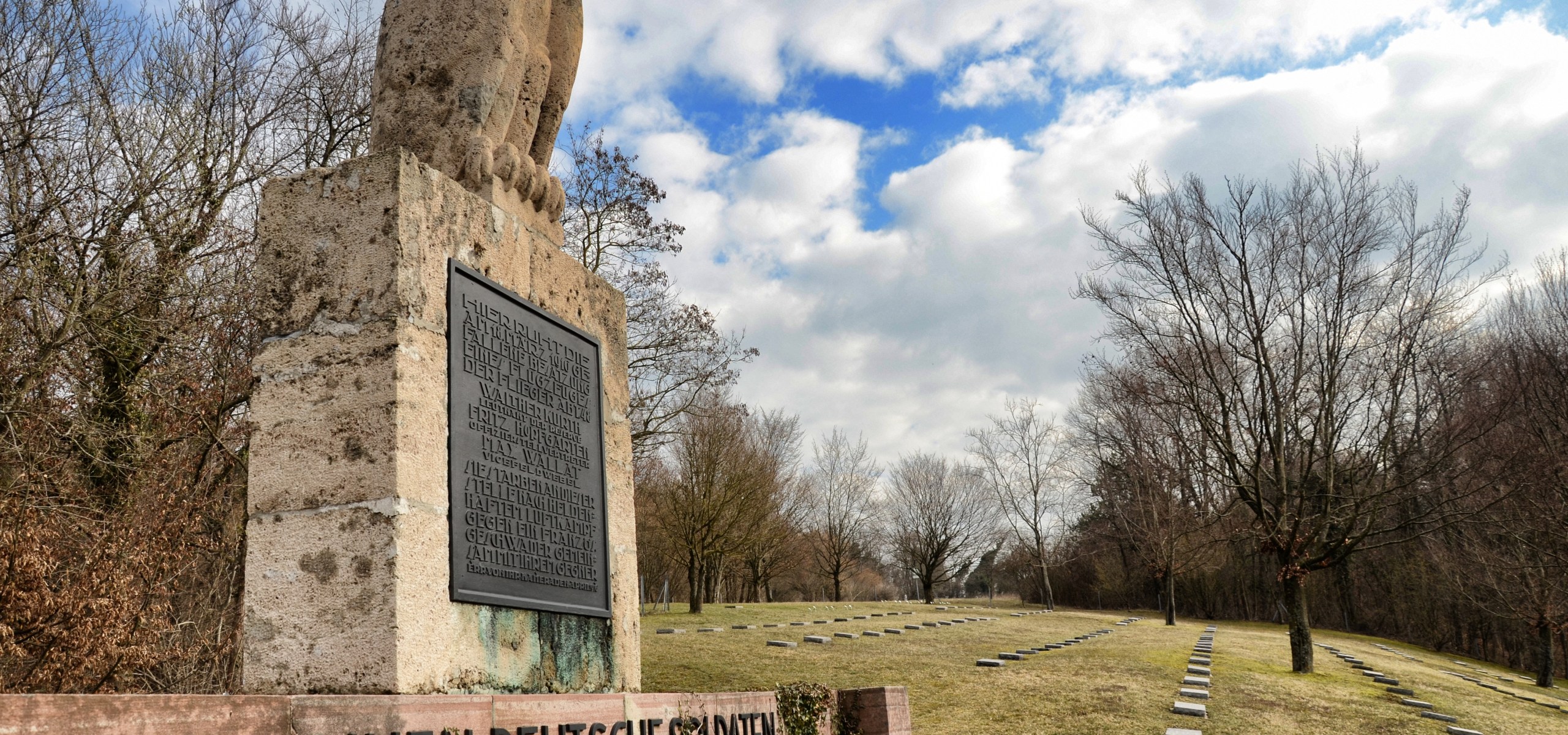
There are a large number of German First World War cemeteries in the Vosges area of the Western Front, many of them containing original features or even contemporary headstones. The cemetery at Illfurth, located on a hillside amongst the woods above the town, was a cemetery started by the Germans when this ground was part of Germany in 1914. At that time the men buried here would have been interred on what was perceived as home soil but post-war this area was returned to France as it had been taken from them following the Franco-Prussian War in 1871.
The cemetery has 1,964 burials and among them is Leutnant Albert Mayer who is recorded as being the first German battle casualty on the Western Front. He was killed near Joncherey on 2nd August 1914.
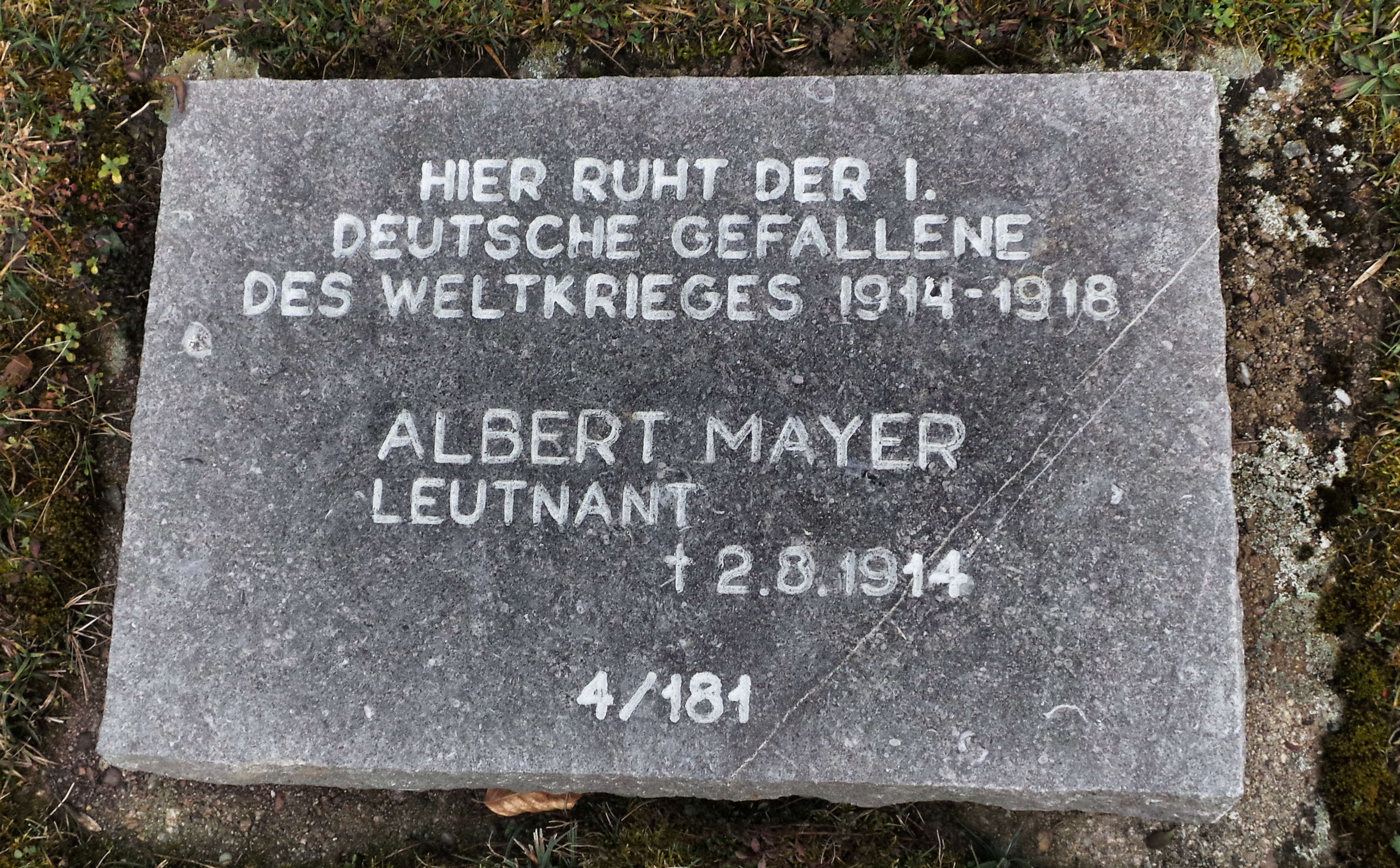
Albert Mayer’s grave at Illfurth.
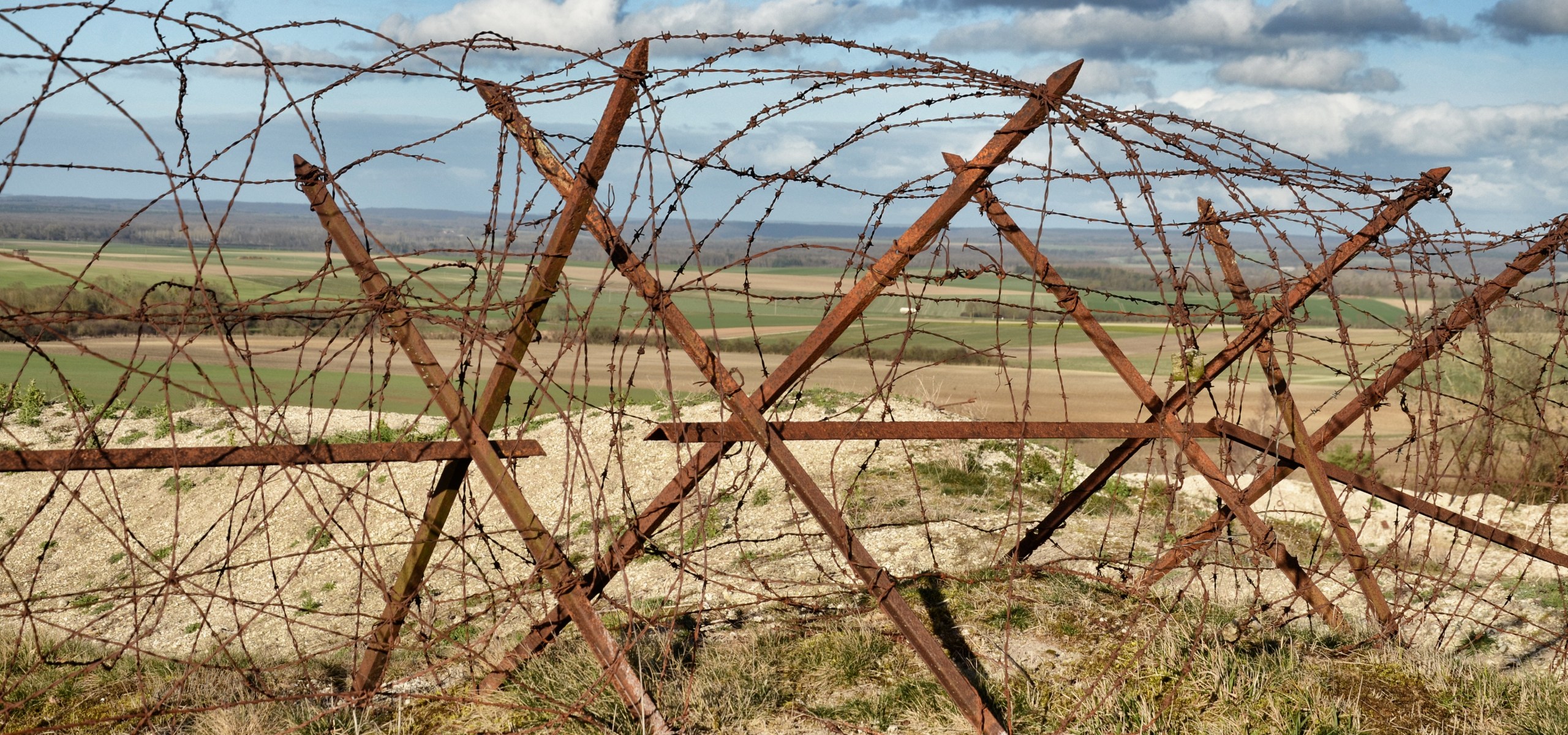
The sight of front-line barbed wire remains a powerful image of the Great War. In the early stage of the war the use of so-called ‘Chevaux de Frise‘ (or knife-rests as they were known by the British) enabled soldiers to prepare barbed wire defences behind the lines and bring them up, putting them in place at night. Being portable they could also be moved.
Few survive intact but this section is part of a reconstructed French trench system in the Champagne which saw heavy fighting in 1915.

The Western Front ran for more 450 miles from the Belgian coast to the Swiss Border. At the Belgian end the trenches petered out in the sand dunes near to the Belgian town of Nieuport. Soldier-author Charles Douie fought in the area with the 1st Battalion Dorsetshire Regiment in 1917 and left this description of the sector:
Nieuport was not greatly different from other towns lying in the near vicinity of the front line. Nieuport Bains, a summer resort lying at the mouth of the Yser and adorned by the usual gimcrack villas, was levelled nearly to the ground… War seemed more than usually odd as one sat in some convenient fold of the dunes and watched the waves lapping belts of wire on the shore and the play of machine guns over the sands where but a short while before men and women had kept holiday and children had built sand-castles.
Today the beach at Nieuport is once more a popular seaside resort as it had been before the Great War and there are few signs of the conflict, aside from the odd strand of barbed-wire found in the sand at low tide.

Small French battlefield cemeteries are rarer than the British ones on the Western Front as most battlefield cemeteries were concentrated into larger burial grounds in the 1920s. This small battlefield cemetery is close to the village of Chavannes les Grands in the Vosges and commemorates men from a French regiment who fought here in August 1914.
Buried here are Lieutenant Paul Genairon and his comrades of the 260th Regiment of Infantry. On 13th August 1914 during the early stage of the Battle of the Frontiers this regiment fought a short but sharp action around the village. Paul Genairon was born in April 1888 and had originally entered the army in 1908. He was on the reserve in 1914 and recalled on the outbreak of war, serving with the 23rd Company of his regiment. Officially he is recorded as having died of his wounds and the regiment’s history indicates that he was killed during a nighttime counter-attack close to the village.
The cemetery is well looked after by the locals who have installed two small Poilu helmet memorials in the cemetery; although these were not yet worn in the battles of 1914 they are unusual in a cemetery.

Poilu helmet at Chavannes

When the Great War went static during the winter of 1914/15 and trench warfare began, steel “sniper’s plates” started to be used by both sides to afford protection to their troops and enable them to fire safely across No Man’s Land. There were many designs of these and some just had a hole to fire through, while others used a ‘key-hole’ system so that the protected area could be sealed up again after use.
The Le Linge trench system in the Vosges mountains was fought over from 1914 when the French attacked the German positions here, but saw very heavy fighting in early 1915. It is today preserved as a memorial with the trenches cut into the Vosges rock still retaining their original depth. These two German trench loopholes are typical of the types used in this area and nearly a century later still look down on the old French front line.

Newfoundland was the smallest colony in the British Empire to raise it’s own regiment in the Great War, the Newfoundland Regiment. It served at Gallipoli in 1915 and then on the Western Front from 1916 onwards. It’s memorials take the form of a bronze Caribou, a native animal of Newfoundland, which overlooks the site of the action it commemorates. There are five such memorials located on the Western Front and this Caribou at Monchy le Preux recalls the battle here in April 1917 that was part of the Battle of Arras.
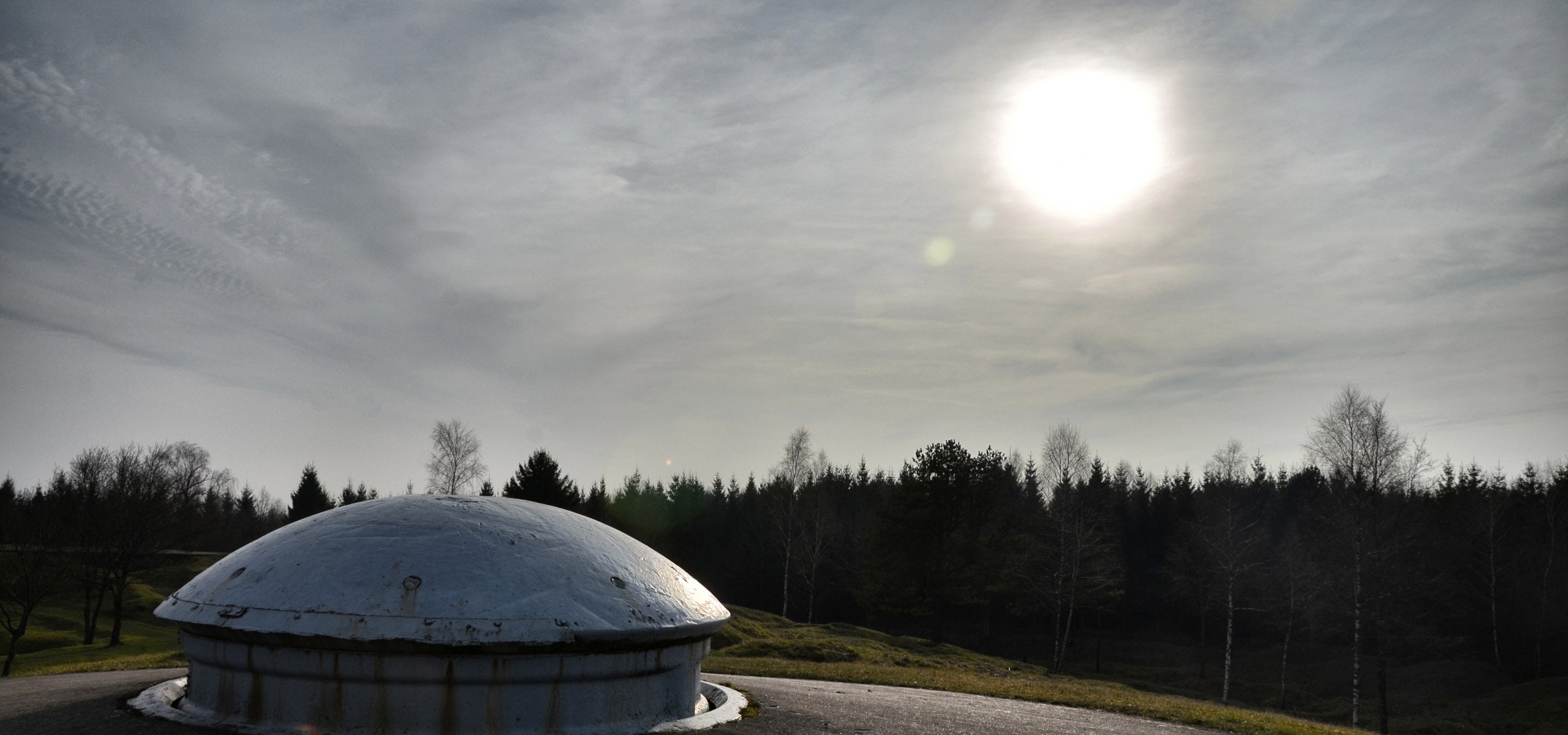
The Ouvrage Froideterre was part of the defences built around Verdun in the late 1880s. It was added to a number of times before WW1 and then re-organised when the war started in 1914. The position was defended by two twin machine-gun bunkers and a 75mm turret (seen above) along with a 75mm Bourges casemate. The position saw heavy fighting in 1916 and the ground around it smashed to pieces by shell-fire. Today it is one of a number of smaller fortifications on the Verdun battlefield that it is possible to visit and get some sense of the fighting here in 1916.
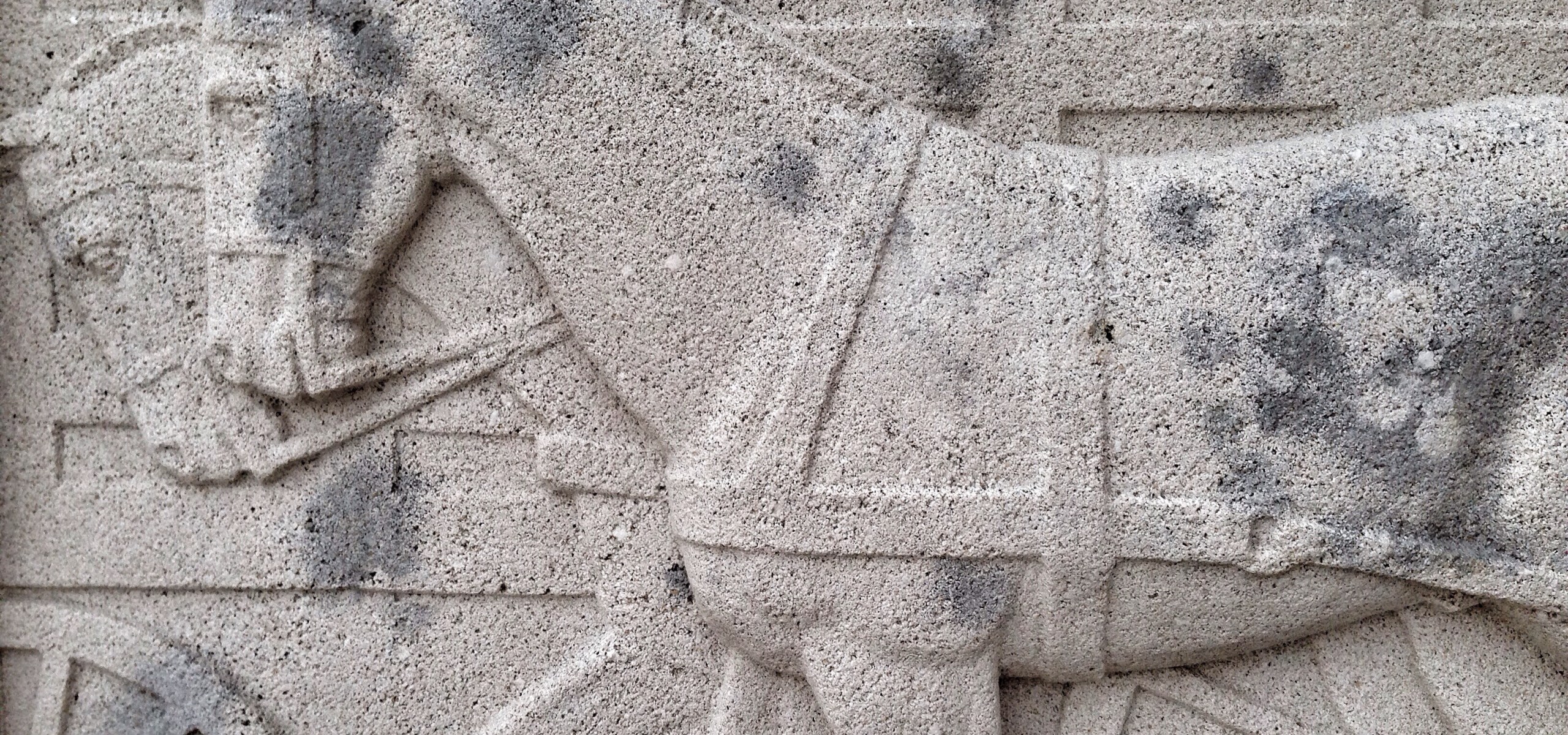
The Voie Sacrée was the main road running from Bar Le Duc to Verdun which in 1916 was used as the mainnroute of supply for the Poilus defending the Verdun Salient. The memorial at the Verdun end has recently been renovated and part of it consists of a series of images showing the transport used on the road in 1916; including these French War Horses. The French Army had thousands of horses working on the Voie Sacrée each day, often in appalling conditions: but it all helped keep the road open and supplies moving.
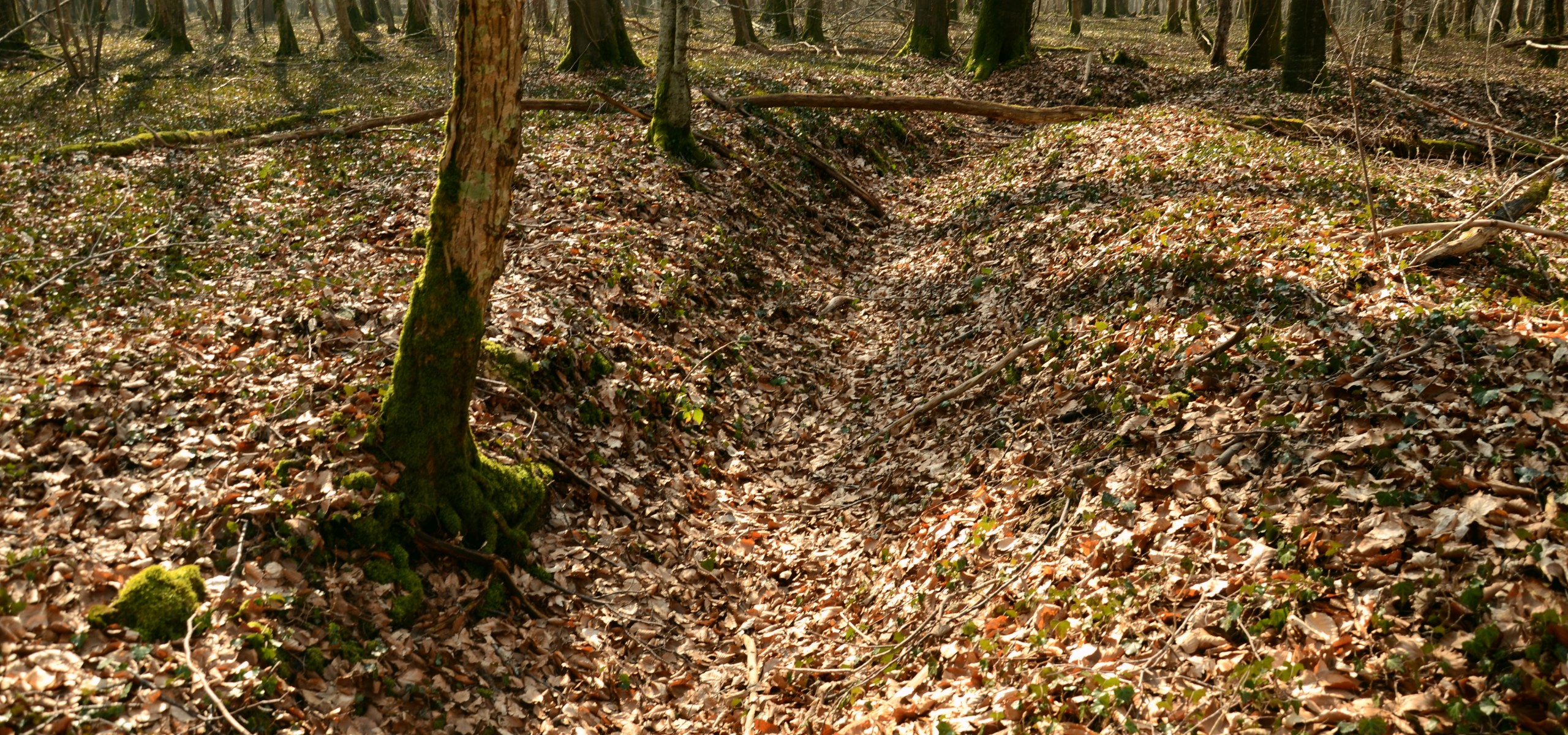
The Tranchée de Calonne, despite it’s name, was not actually a trench: tranchée being the French for trench. Instead it was a long road running for more than 25km through the wooded area south-east of Verdun into what became known as the Saint Mihiel Salient.
The area saw heavy fighting from September 1914 and some of the earliest trenches used by the French Army were dug among the trees here. French writer Alain Fournier was killed in this sector during this period and close to where his body was found in 1991 is an area of early war trenches, including the 1914 trench pictured here. These early war positions are sometimes more obvious to spot among the mass of surface archaeology of the Great War in areas like this as the trenches are usually a lot simpler. In this case it is a straight trench leading to an area where small firing pits were scattered, once facing the German lines. Each pit looked like it had two Poilus in it, with their rifles and kit.
This photograph also shows how difficult it is to capture the remains of trenches in a modern image, especially in an area with heavy tree coverage and for much of the year covered with leaves.
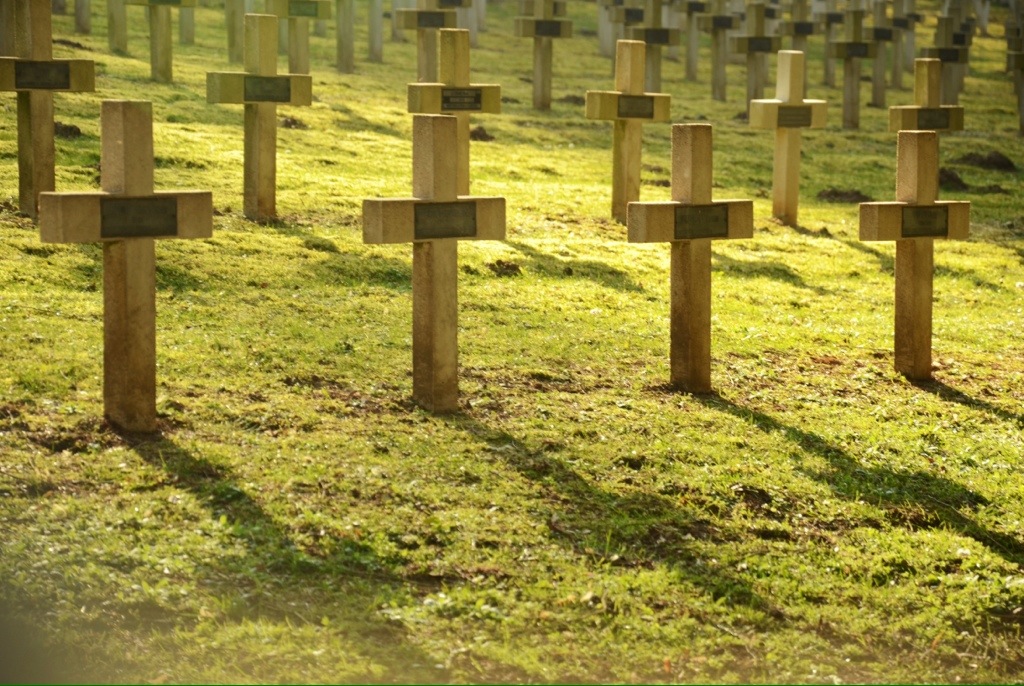
By the close of the Great War the French Army had lost more than 1.4 million dead: their burials are scattered across more than 350 mile of the Western Front occupied by French forces. In the Department of the Aisne the cemeteries are very evident between Soissons and Reims, and this one at Braine, taken in early evening light on a bright March day, commemorates the dead from operations on the Aisne in 1914 through to the Chemin Des Dames in 1917.
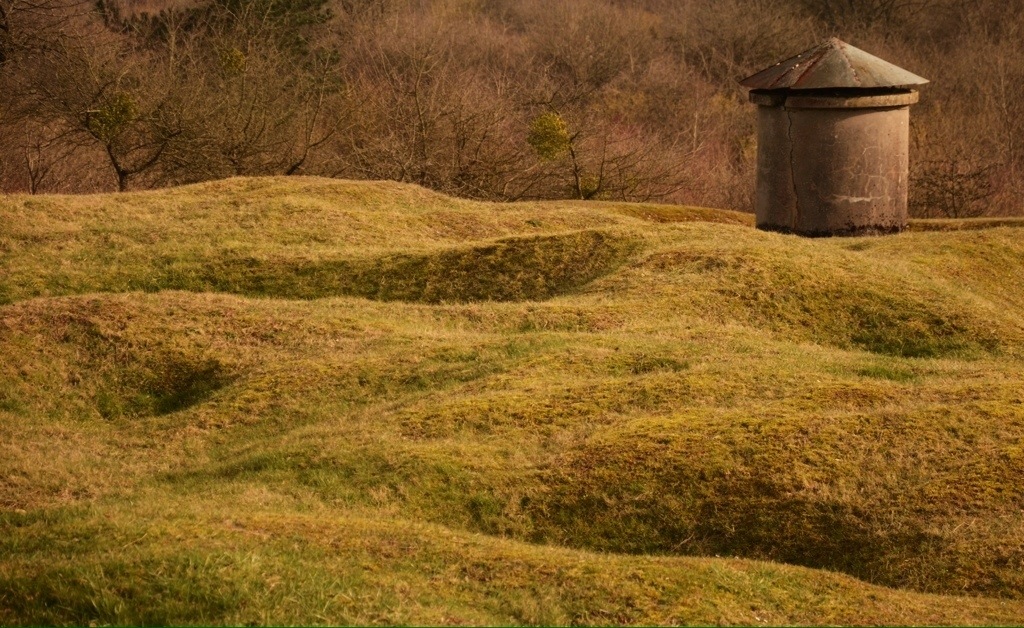
It is said that more than a thousands shells fell in every square metre of the Verdun battlefield in 1916 creating a vast crater zone, which is still visible on the battlefield nearly a century later. By the close of the fighting this battlefield had claimed more than 770,000 French and German casualties, and the French Poilus had called it ‘The Mincing Machine’.
On this part of the battlefield at Abris 320 the effects of such shell-fire is very much evident in late evening early spring sunshine, along with the concrete vents of the bunker complex beneath the site.

The Tranchée des Bavarois, or Bavarian Trench, was part of a German system of trenches in the St Mihiel Salient, south of Verdun.
The positions here were strengthened from 1915 onwards and a large number of concrete structures put in place, from concrete lined firing positions in the trenches to infantry shelters and mortar and machine-gun posts.
This bunker was made by a Bavarian Pioneer company in 1915/16 and sheltered men from a machine-gun team who had a concrete-made firing position built right by the exit to to their quarters. The legend ‘In Treue Fest’ was written on the brass belt buckles worn by these Bavarian troops and was their army motto. Roughly translated means ‘Firm In Loyalty’.
This bunker is part of a preserved trench system which is on a St Mihiel Salient battlefield route which can be followed around this area of the Western Front.

This German observation bunker is located on the Sundgau front in Alsace at the far end of the Western Front. It’s sits on rising ground in what was once Germany before 1914 and overlooks the site of the former French positions which ended here on the Swiss border close to the village of Pfetterhouse.
This area saw fighting in the early period of the war and then settled down to static trench stalemate. The remains of these final positions on the Western Front sit deep in woodland well off the tourist trail, although a local association are trying to make the sector better known.
 WW1 Revisited
Comments on WW1 Revisited